
At first glance, a frame may seem like a secondary detail-an accessory to the artwork it surrounds. But in the world of galleries, exhibitions, and art shows, framing is anything but an afterthought. The right frame doesn't just protect the artwork; it completes it. It presents the piece in a way that enhances its impact, complements its aesthetic, and helps it stand out in a crowded room.
Whether you're a seasoned artist, an emerging talent, or a curator preparing for an upcoming show, understanding the importance of framing is essential.
Here's a closer look at why framing is so important in the context of art exhibits and how the right choices can elevate both your work and your audience's experience.
1. Framing Protects the Artwork
Before diving into aesthetics, let's start with one of the most practical reasons framing matters: protection.
Original artwork, especially works on paper, canvas, or mixed media-can be vulnerable to damage from dust, moisture, UV light, and handling. A high-quality frame provides a physical barrier that:
- Shields the piece from environmental elements
- Minimizes direct contact during transport or installation
- Helps preserve the work's color, integrity, and value over time
In gallery settings, where art is moved, installed, and sometimes handled by multiple people, this protection becomes especially crucial. “A damaged or faded piece can compromise the artist's reputation,” says Mark Rogers of Frame Destination. Archival mats, UV-protective glazing, and sturdy backing materials should all be considered essential parts of professional framing.
2. A Frame Completes the Presentation
An unframed piece of art can feel unfinished or out of place, especially in formal settings like gallery shows and museum exhibits. The frame doesn't just hold the artwork-it provides a visual boundary that tells the viewer: “This is the art. This is the experience you're meant to engage with.”
A thoughtfully chosen frame:
- Adds cohesion to the piece
- Helps the eye focus on the work itself
- Enhances color, depth, and form
- Makes even minimalist or abstract work feel grounded
Much like a stage for a performance or a mat for a gemstone, a frame positions the artwork to be seen-and appreciated-at its best.
3. Framing Influences How Viewers Perceive the Art
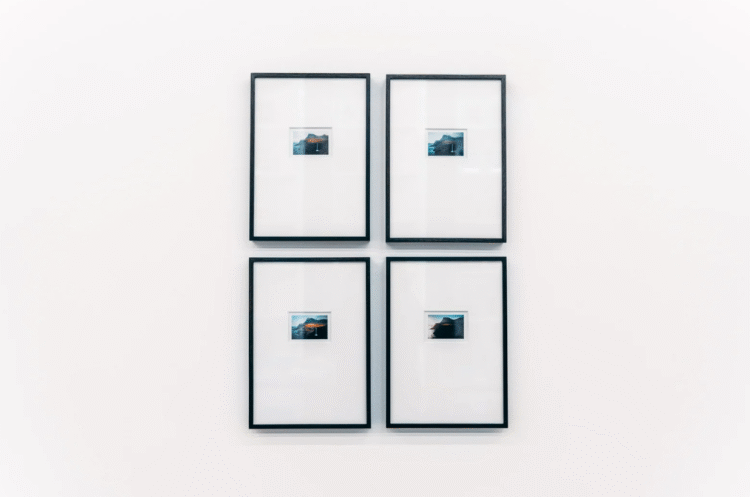
Frames are part of the visual language of the artwork. They set tone, context, and mood. A baroque gold frame might evoke classicism and tradition, while a thin black metal frame can suggest modernity and minimalism. These associations influence how viewers interpret the work.
In group shows or juried exhibitions where dozens or hundreds of pieces are competing for attention, your framing choices can make your work stand out-or fade into the background.
For example:
- A bold frame can draw attention to a small or subtle piece
- A light, floating frame might elevate a contemporary abstract work
- A natural wood frame can add warmth to photographs or earth-toned paintings
By aligning the frame's style with the message or era of the piece, you reinforce its identity and improve its chances of resonating with the audience.
4. It Signals Professionalism and Care
First impressions matter, especially in the art world. Galleries, curators, and collectors take note of how an artist presents their work-and that includes the framing.
Poorly framed or unframed pieces may appear:
- Incomplete
- Rushed
- Less valuable or serious
On the other hand, a well-framed piece signals attention to detail and pride in craftsmanship. It shows that you've taken the time to present your work with respect, which in turn encourages others to view it with the same seriousness.
In juried shows, proper framing can also be a requirement for entry. Many competitions and gallery calls specifically ask for gallery-ready presentations, meaning wired, clean, and professional-grade framing.
5. Frames Enhance Cohesion in Group Exhibits
In group shows or solo exhibitions that feature multiple works by the same artist, consistent framing can tie a collection together. Even if the content and mediums vary, unified framing helps the overall presentation feel intentional and curated.
This can be especially effective when:
- Presenting a themed body of work
- Showing pieces of varying sizes or orientations
- Displaying artwork in a non-traditional or mixed-media exhibit
Uniform frames create a sense of harmony, allowing the viewer to move through the collection without distraction. It also gives the exhibition a polished, gallery-grade look that encourages deeper engagement.
6. Framing Adds Value-Literally
Art collectors aren't just buying an image-they're buying a product that they can take home, hang up, and admire. A beautifully framed piece is immediately more marketable and desirable to buyers. It's ready to install, fits into home or gallery décor, and suggests quality.
Additionally, when a piece is framed with archival materials and professional standards, its longevity and resale value increase. This matters to collectors, curators, and galleries alike. Framing doesn't just elevate the art-it increases its perceived and actual worth.

Tips for Choosing the Right Frame for Exhibits
- Let the art lead: The frame should complement, not compete with, the artwork.
- Match the tone: Consider the mood, medium, and era of the piece.
- Go neutral for group shows: Black, white, and wood tones are versatile and won't distract from the work.
- Think durability: Use quality materials that protect the piece, especially if the exhibit will travel.
- Work with a pro: A custom framer can guide you through materials, styles, and conservation options.
Final Thoughts on Why Framing Is So Important
Framing isn't just an accessory to your art-it's part of the storytelling. In an art show or exhibit setting, where perception, presentation, and preservation all play critical roles, framing becomes a vital extension of the work itself.
It protects your piece, enhances its impact, and shows your audience that you care about how your art is seen. For artists serious about their craft and career, framing isn't optional-it's essential. So the next time you're preparing for an exhibit, remember: a great frame doesn't steal the spotlight-it sets the stage.
Leave a Reply