
Landscape: A Dense Manufacturing Base and a Broad Brand Range
When clinics talk about Korean beauty innovation today, they don’t mean skincare only; they mean beauty injectable platforms that cover neuromodulators and hyaluronic acid (HA) dermal fillers for facial contouring, softening wrinkles and folds, and subtle “skin quality” edits.
On the toxin side, Korean manufacturing has cleared the highest regulatory bar: Jeuveau (prabotulinumtoxinA-xvfs) entered the U.S. in 2019 for glabellar lines, and Letybo (letibotulinumtoxinA-wlbg) followed with U.S. FDA approval in 2024 – proof that Korean dossiers, facilities, and quality systems can meet U.S. expectations.
On the filler side, Korea now exports a wide range of products that span rheology and indication — everything from structure-support gels to softer, blendable options designed to look smooth and natural in motion. Neutral examples include Yvoire (LG Chem), Elravie (Humedix), and https://tothebeauty.com/brand/neuramis/, all hyaluronic acid fillers presented with transparent technical language (e.g., cross-linked HA, residuals control, packaging, IFUs).
These lines are typically made from non-animal (bacterial-fermentation) HA and sterilized/filled under certified quality systems (KGMP), which is one reason they travel well across markets.
Clinically, the portfolio is practical, not just plentiful. Softer HA options – often lower G’ and high cohesivity – are used for lips when you want precise definition with a smooth and natural finish; firmer gels support midface vectors or jawline contouring.
Many Korean fillers highlight “handling feel,” glide, and integration, because injector ergonomics matter as much as label claims in real-world sessions. And as clinics benchmark “value,” they increasingly look beyond price alone to dose efficiency, retouch intervals, and patient-reported outcomes.
Stat #1 (macro signal): In the first half of 2024, Korea’s botulinum toxin exports climbed 17% year-on-year, the strongest half-year on record – evidence that this is a scaling industrial segment, not a boutique niche.
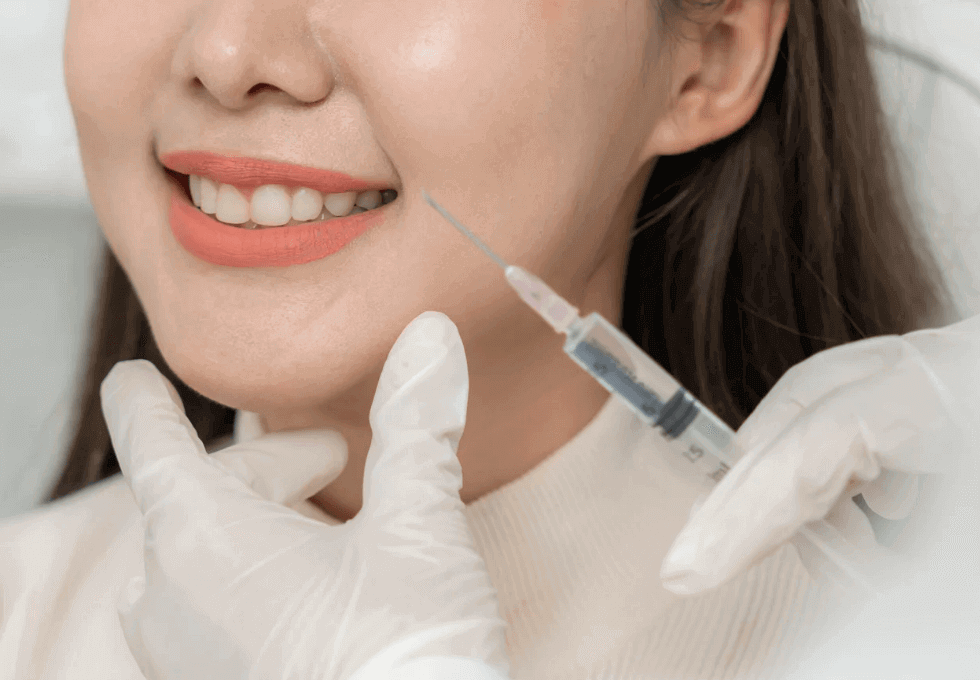
Why a small, trade-reliant country became a production and brand engine
Demand density. Korea’s home market is a live “learning lab.” Patients expect high-resolution changes – camera-ready in mobile areas like the perioral zone – so injectable protocols iterate quickly. Clinics run high volumes with tight feedback loops; small differences in cross-linked HA behavior (needle glide, edema profile, palpability) show up early and shape next-generation gels.
Professional talent and peer pressure. Korea isn’t just consumer-driven; it’s clinician-dense.
Stat #2 (workforce reality): The ISAPS 2023 Global Survey estimates 2,739 plastic surgeons in South Korea (5.0% of the world total) – a remarkable concentration for a country of ~52 million. That many specialists in one ecosystem accelerates technique exchange, case reviews, and product iteration.
STEM and R&D investment. Korea’s education pipeline feeds polymer chemistry, bioprocess engineering, analytics, and device QA/RA – the exact skills injectable manufacturing needs.
Stat #3 (innovation input): Per the OECD, Korea’s gross domestic expenditure on R&D reached 4.93% of GDP in 2021, second in the world. That shows up in better process control, documentation discipline, and rapid formulation cycles that convert lab ideas into stable, certified products.
Trade DNA. As a highly import-/export-centered economy, Korean manufacturers design for cross-border compliance from day one – language packs, serialization/traceability, pharmacopeial alignment, and file structures that can be adapted to U.S./EU/LatAm dossiers. The result is a pipeline of “export-ready” HA lines and toxins that scale predictably, with “good paperwork habits” embedded early.
Regulation and certification: the scaffolding behind quality
Korea’s MFDS framework matters because it shapes how companies build. In plain terms: Class III/IV medical devices (the risk classes that include most dermal fillers) go through MFDS approval with technical documents and, where needed, clinical test reports; lower-risk devices may follow certification routes, but higher-class injectables do not simply self-declare.
That split – certified vs approved – creates a culture of documentation, traceability, and corrective-action readiness that maps well to FDA and EU expectations.
You can see this “regulatory literacy” in the neuromodulator examples already in the U.S.: Jeuveau (Korea-manufactured) and Letybo both carry U.S. labels for glabellar lines, which means facilities, methods, and clinical evidence were scrutinized and accepted. The point is not to promote those brands, but to note that Korean firms have proven they can pass FDA reviews – an important signal for clinics weighing dossiers as much as marketing.
For HA fillers, Korean corporate pages (e.g., LG Chem’s Yvoire, Humedix’s Elravie) read like mini tech files: base polymer description (hyaluronic acid), cross-linked HA claims, storage and packaging specs, and in some cases references to DMFs or EDQM certificates.
This habit of transparent, technical communication helps professional buyers compare like-for-like across indications (midface vectors, perioral smoothing for lips, tear trough blending) and across handling attributes (needle glide, extrusion force, perceived integration).
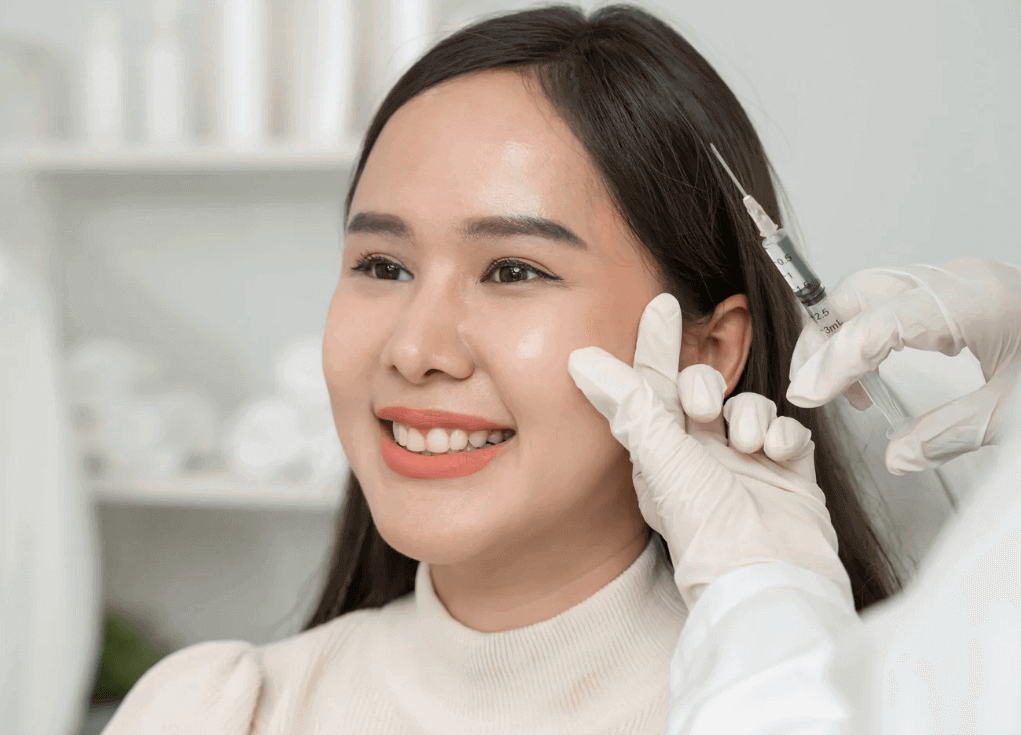
What this means for clinics: many choices, consistently high baselines
For a clinic director outside Korea, the practical message is neither hype nor skepticism – it’s method:
- Judge the system, not the story. Each syringe represents an engineered system: polymer source (non-animal fermented HA is the norm), crosslink chemistry and residual control, sterilization, filling, packaging, and cold-chain stability. Korean files tend to detail these steps, which lets you benchmark “handling” against objective process controls rather than anecdote.
- Look past price alone. “Value” for fillers is dose efficiency plus the patient-reported outcome you care about, sustained over time. If a gel delivers long-lasting results with fewer touch-ups, it can outperform a cheaper unit cost in total-episode economics.
- Map to indication and plane. Softer, cohesive gels are often the better choice for lips when you want definition with a smooth and natural line; firmer gels may suit malar support or jaw contouring.
- Use brand examples neutrally. A well-known Korean HA family like Neuramis filler is often discussed alongside peers because it sits in the mainstream of cross-linked HA design and documentation. The point is comparative learning, not a single “winner.”
- Prefer documented suppliers. Whether you buy Korean, U.S., or EU origin, stick to authorized channels that can demonstrate lot traceability and certified quality systems. That’s how you keep “paper” aligned with product reality.
Wrap-up
Korea didn’t become an injection powerhouse by accident. It combines a demanding home market, dense professional expertise, and heavy STEM investment with a regulatory culture that forces companies to write things down and prove them.
That is why the country now fields a wide range of export-ready beauty injectable products – from toxins to hyaluronic acid fillers – used for fine wrinkles, structural contouring, and skin quality edits alike. For clinics, the practical upside is choice: multiple cross-linked HA options that feel good in the hand, integrate predictably, and are built on certified processes – so you can pick for indication, plane, and patient goal rather than for label alone.
Keep your comparisons disciplined (dose, intervals, outcomes) and you’ll find Korean portfolios fit naturally into a modern tray – quietly enabling smooth and natural results where they matter most.
Leave a Reply