
If you’re a fashion blogger, your skin isn’t just part of your look, it’s part of your brand. From street-style shoots to close-up beauty reels, clear, glowing skin helps boost confidence and polish your on-camera presence. But for many of us, dark spots and uneven tone sneak in and steal that glow. That’s hyperpigmentation. It happens when certain areas of your skin produce more melanin than others, and the causes aren’t always obvious.
Now, here’s the thing, there isn’t just one reason for this. Hyperpigmentation can happen because of the sun, hormones, acne, injuries, or even certain health conditions. Knowing what causes hyperpigmentation is the first step to taking care of it. Once you understand the “why,” it becomes much easier to choose the right way to treat it.
The Sun’s Sneaky Role
The sun is wonderful, but it’s also one of the biggest troublemakers for your skin. When sunlight hits your skin, it sends a message to make more melanin. This is your skin’s way of protecting itself from damage. That’s why we tan. But here’s the problem — if you spend too much time in the sun without protection, it can leave behind dark spots that don’t fade easily.
Even on cloudy days, UV rays are still around. That means you can get sun damage without even realizing it. This is why sunscreen is so important. It’s like giving your skin a little shield every single day. Without it, those spots can get darker and stick around for years.
When Hormones Join the Party
Hormones can do strange things to our skin. Many women notice new dark patches during pregnancy or while taking birth control. There’s even a special name for this — melasma. It often shows up as brown or grey patches on the cheeks, forehead, or above the lip.
These spots sometimes fade when your hormones settle down, but they can also hang around. If you’ve ever had them, you know they can be stubborn. Gentle skincare, plus daily sunscreen, can make a difference. You may not see instant results, but over time, your skin will start to look more even.
Acne and Little Scars That Linger
We’ve all had that one pimple we couldn’t leave alone. The pimple goes away, but a dark mark takes its place. That’s post-inflammatory hyperpigmentation. It’s your skin’s way of healing, but it leaves behind more melanin than you need in that spot.
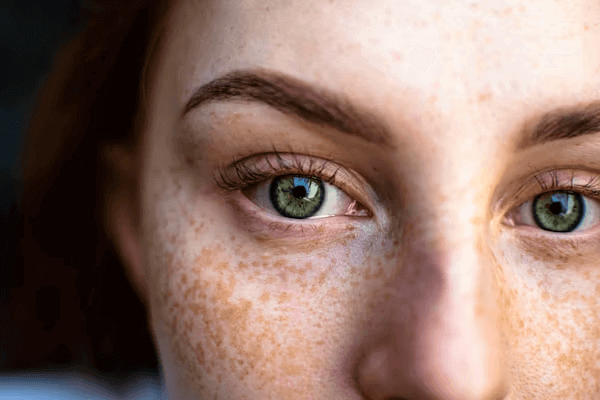
This doesn’t just happen with acne. It can happen after cuts, scrapes, rashes, or burns. People with darker skin tones often see these marks more because their skin naturally makes more melanin. The good news? A good hyperpigmentation serum for face can help fade these spots. It works slowly and gently, so you see your skin becoming clearer over time.
Health and Medications
Sometimes, dark patches are linked to health conditions or certain medications. Illnesses like Addison’s disease, or treatments like chemotherapy, can cause changes in skin colour. If you think this might be the case, it’s important to check with a doctor before starting any skincare treatments. They can help make sure whatever you use is safe for you.
Small Changes That Help at Home
The first thing you can do is protect your skin from more damage. That means using sunscreen every day, even when you’re indoors near windows. Keeping your skin clean and hydrated also helps it heal faster.
Adding a hyperpigmentation serum for face into your routine can be a simple but powerful step. These serums usually have ingredients like vitamin C, niacinamide, or licorice root extract that help fade spots over time. The trick is to be patient and use it every day. Your skin works slowly, but with consistent care, you’ll notice it start to even out.
How These Serums Work Their Magic
Think of a hyperpigmentation serum as a gentle assistant for your skin. It targets the extra melanin, breaking it down bit by bit. Some serums even help stop your skin from making more dark pigment in the first place. This means you’re not just fixing the spots you have, but also preventing new ones.

Serums are light and easy to use. You just smooth a little on your face after cleansing and before moisturizing. You don’t need a lot — a small amount goes a long way. The key is to use it regularly so it can keep working in the background while you go about your day.
Why Patience Pays Off
Hyperpigmentation takes time to fade. You won’t wake up one morning and see it gone. That’s why sticking to your routine is so important. Skipping your serum or forgetting sunscreen slows everything down.
I like to think of it like growing a garden. You can’t plant seeds one day and expect flowers the next. You water them, take care of them, and little by little, you see the results. Your skin is the same. If you treat it kindly and consistently, it will reward you with a healthier, more even glow.
When You Need a Little Extra Help
Sometimes, dark spots are too stubborn for home care alone. That’s when professional treatments can help. Dermatologists have options like chemical peels, laser therapy, and microdermabrasion. These treatments remove the top layer of skin so fresh, even-toned skin can grow.
They can work faster, but they also cost more and may need recovery time. If you go this route, you’ll still need to take care of your skin at home. Without sunscreen and gentle products, the spots can come back.
Keeping Your Skin Happy Long-Term
Fashion blogging is as much about how you feel as how you look and hyperpigmentation can quietly impact both. When you understand what’s causing those dark patches, you’re better equipped to treat and prevent them. From sun exposure to hormones and breakouts, your skin reflects what it’s been through. As content creators, we focus so much on lighting, styling, and editing, but healthy skin starts with what happens off-camera. Protect it daily, treat it gently, and give it the care it deserves. Because when your skin feels good, your confidence shows and that’s always in style.
Leave a Reply