
Attending a wedding as a guest is exciting, but finding the right outfit can be tricky. From decoding dress codes to matching the venue, here’s your ultimate guide to selecting a flawless wedding guest dress that balances style, comfort, and etiquette.
Contents
1. Decode the Wedding Dress Code
The invitation’s dress code is your roadmap. Misinterpreting it risks standing out for the wrong reasons. Here’s how to align your outfit with common guidelines:
Black Tie: Floor-length gowns in luxe fabrics (silk, satin) or sophisticated jumpsuits. Skip casual fabrics like cotton.
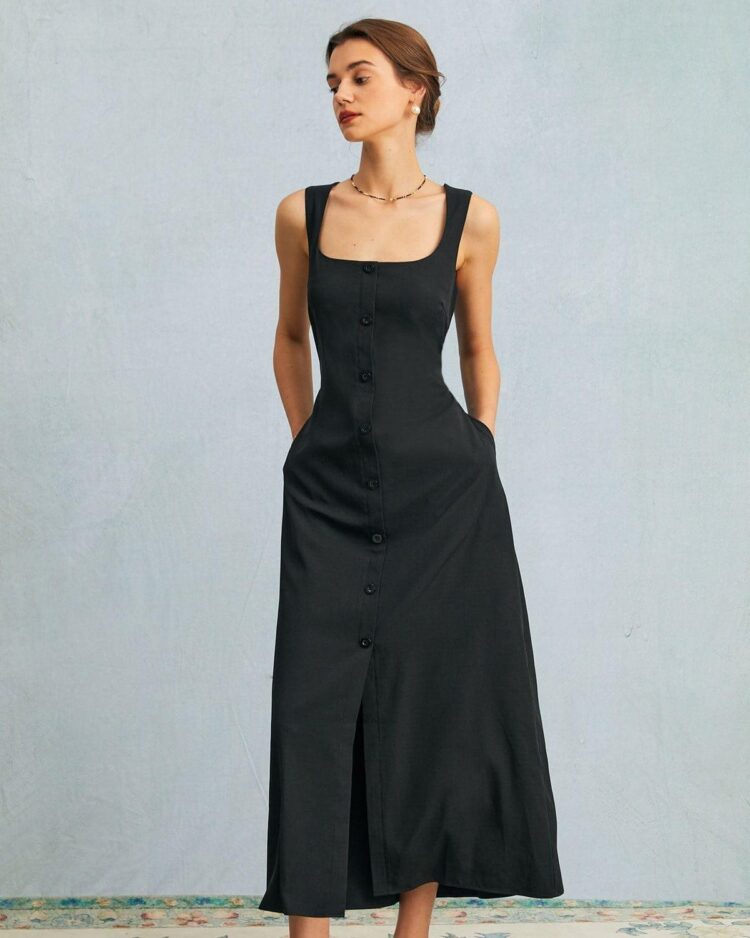
Cocktail: Knee-length or midi dresses with elevated details—think lace overlays, metallic threads, or tasteful sequins.
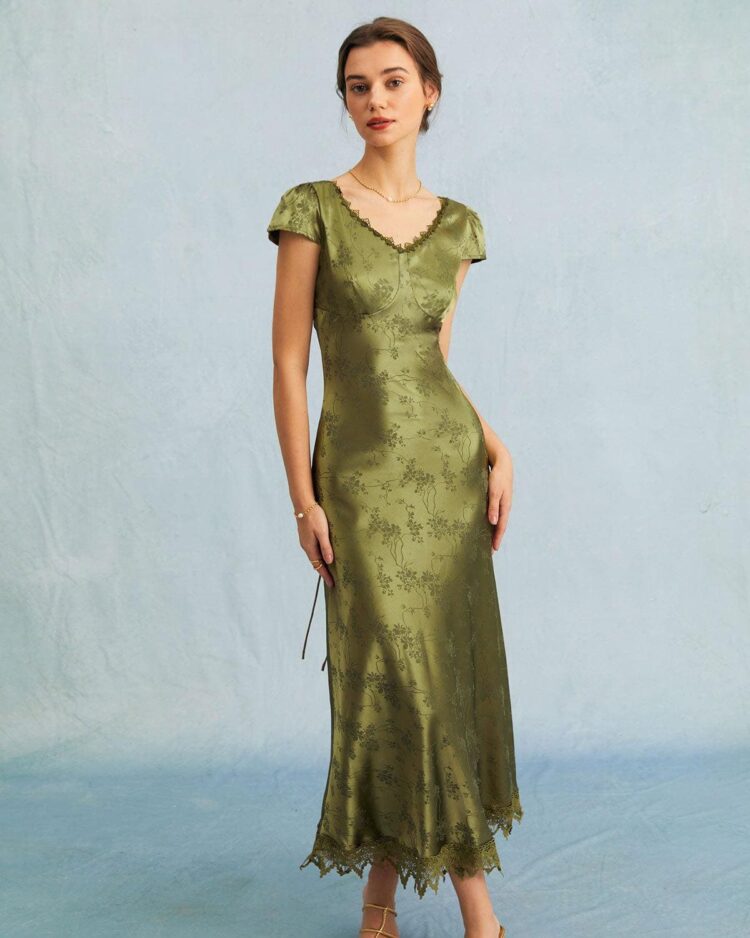
Semi-Formal: Midi dresses in structured silhouettes (e.g., A-line, fit-and-flare) or tailored jumpsuits with statement accessories.

Casual: Flowy sundresses, linen shirt dresses, or chic separates (e.g., a silk camisole paired with wide-leg trousers).
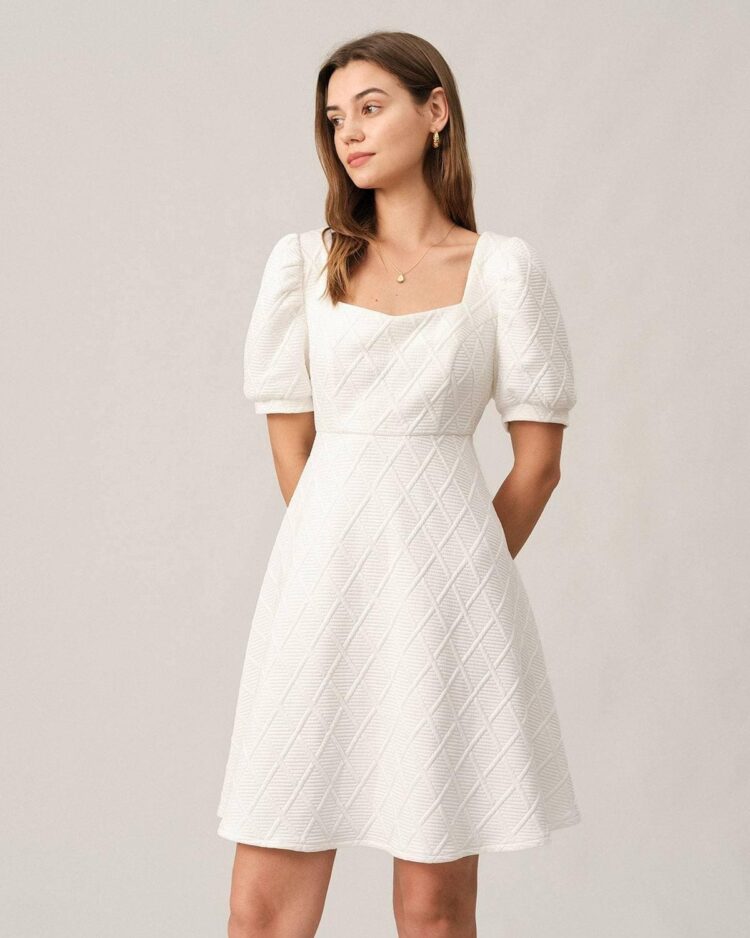
Pro Tip: If the invitation says “creative black tie,” experiment with bold textures or asymmetrical hemlines while maintaining elegance. When in doubt, opt for a classic dresses for women from a versatile collection that transitions seamlessly between dress codes.
2. Factor in the Wedding Season
Weather and seasonal aesthetics dictate fabric choices and styling:
Spring/Summer: Lightweight fabrics like chiffon, organza, or breathable linen. Embrace floral prints, pastel shades, or airy silhouettes (e.g., off-shoulder ruffled dresses). For beach weddings, consider slip dresses with a lightweight wrap.
Fall/Winter: Rich textures like velvet, brocade, or heavy satin. Deep jewel tones (emerald, plum) or moody metallics (gunmetal, bronze) work beautifully. Pair with opaque tights or a faux-fur stole for outdoor ceremonies.
Avoid: Summer fabrics like cotton in winter—they’ll leave you shivering.
3. Master the Art of Color Selection
Color communicates tone. Follow these rules to stay stylish yet respectful:
Skip White & Ivory: Even off-white shades can unintentionally compete with the bride.
Daytime Weddings: Soft hues like blush pink, mint green, or buttercup yellow radiate freshness.
Evening Events: Bold jewel tones (sapphire, ruby) or metallic shades (gold, silver) add glamour.
Cultural Considerations: In some cultures, red or black may be inappropriate—research traditions if unsure.
Bonus: If the wedding has a themed palette (e.g., “dusty blue”), incorporate accents through accessories instead of matching exactly.
4. Align Your Dress with the Venue
The location shapes your outfit’s practicality and style:
Beach/Garden: Opt for flowy maxi dresses, strappy sandals, and natural fabrics. Avoid long trains that drag in sand.
Church/Formal Venues: Choose modest necklines, knee-length or longer hems, and structured fabrics (e.g., crepe).
Rooftop/Modern Spaces: Experiment with sleek silhouettes, geometric cutouts, or monochromatic looks.
Example: A garden wedding calls for floral prints and wedge heels, while a winter castle celebration demands velvet midi dresses and ankle boots.
5. Prioritize Comfort Without Sacrificing Style
A wedding is a marathon, not a sprint. Ensure your outfit works from ceremony to dance floor:
Fabric Matters: Stretch blends, breathable linen, or lined chiffon prevent discomfort. Avoid itchy lace or unlined sequins.
Fit is Everything: Ensure you can sit, walk, and dance freely. Tailoring is worth the investment for a flawless fit.
Shoe Strategy: Block heels or embellished flats save your feet. Pack blister bandaids just in case!
Remember: Confidence stems from feeling at ease in your attire.
6. Elevate Your Look with Strategic Accessories
Accessories refine your ensemble—but less is often more:
Jewelry: Match the formality. Pearl studs for daytime; chandelier earrings for evening.
Clutch: Choose a compact style (enough for phone, lipstick, and tissues).
Layers: A silk scarf or embroidered shawl adds polish and warmth.
Avoid: Overloading on sparkle if your dress already has embellishments.
7. Respect Wedding Etiquette & Cultural Nuances
Etiquette ensures you honor the couple’s vision:
Modesty Guidelines: Avoid plunging necklines or ultra-high slits unless the theme is “cocktail chic.”
Religious Venues: Cover shoulders and knees (carry a pashmina for quick adjustments).
Cultural Traditions: Research customs—for example, at Indian weddings, guests often wear vibrant colors.
Golden Rule: Never upstage the bride. If her gown is minimalist, keep your sequins subtle.
Leave a Reply