
In a world defined by constant progress and material abundance, the concept of ultra-luxury living transcends wealth and convenience. It occupies a psychological space where status, identity, exclusivity, and emotional fulfillment intersect.
Far more than lavish homes or custom vehicles, ultra-luxury living is shaped by deep-rooted desires—some ancient, some modern—that drive individuals to seek and sustain lifestyles few can attain.
This rarefied way of life is as much about perception as possession. To understand it requires a look beyond price tags and into the intricate psychological mechanisms that define the ultra-luxury experience.
Timeless Identity: Watches and the Perception of Permanence
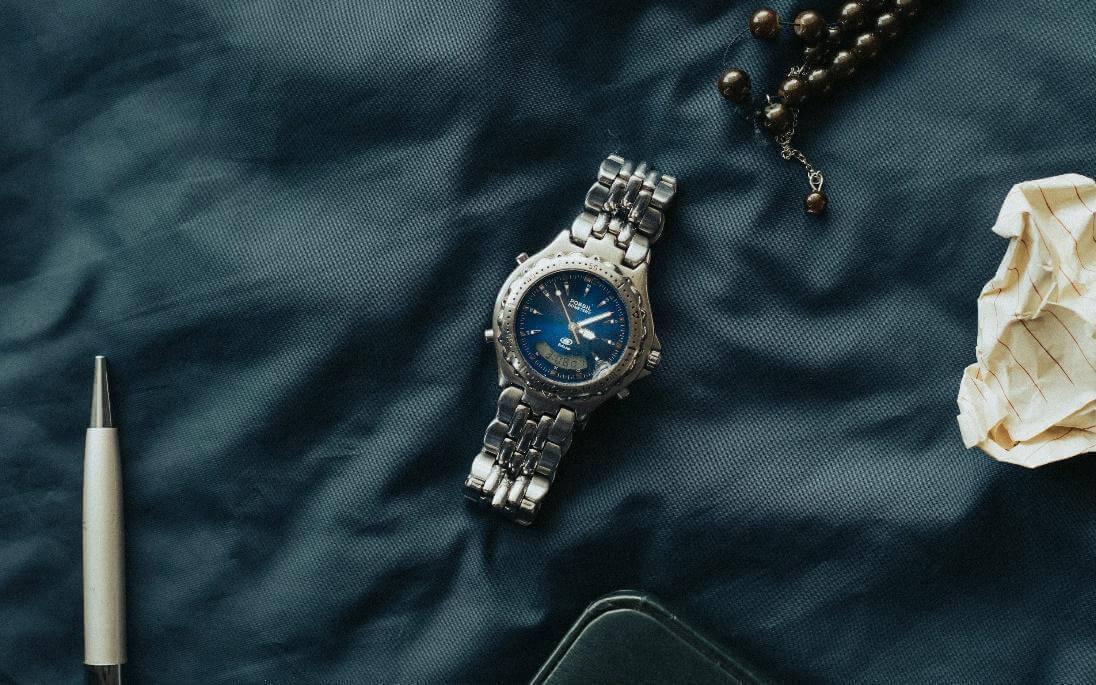
Luxury watches are among the most enduring symbols of refined status. For many in the world of ultra-luxury, a high-end timepiece is more than a device for measuring hours—it represents permanence, legacy, and personal stature. These pieces speak a quiet language of craftsmanship, restraint, and heritage, understood by those who value depth over display.
Whether it’s the most expensive Rolex or a meticulously crafted independent brand, such watches serve as intimate markers of identity. They are not worn to impress, but to affirm. The weight of the case, the sweep of the second hand, and the quiet tick beneath the dial all reinforce a narrative of purpose and precision. These are objects chosen with intent, designed to last, and destined to be remembered.
Unlike trends that fade or possessions that evolve with fleeting fashion, a mechanical watch endures. Its presence is a subtle, constant reminder of one’s values and accomplishments.
The Allure of Exclusivity and the Fear of the Ordinary
Exclusivity forms the bedrock of ultra-luxury psychology. Humans, by nature, seek uniqueness, and nowhere is this more evident than in the pursuit of the extraordinary. The scarcity of a product or experience, whether by limited production or invitation-only access, intensifies its desirability. Ultra-luxury is often not about acquiring what others have—it’s about possessing what others cannot.
This craving emerges from the primal need for distinction. Within social hierarchies, the desire to stand apart is deeply embedded in evolutionary behavior. For the ultra-wealthy, buying access to something rare serves as a subconscious act of social positioning. Being ordinary in their world equates to being invisible. The aversion to the common pushes them toward ever more exclusive pursuits—private islands, one-of-a-kind art commissions, or tailor-made automobiles with singular features.
Emotional Buffering Through Excess
For some, ultra-luxury living offers a kind of emotional insulation. The overwhelming comfort of bespoke interiors, dedicated staff, and seamless privacy allows high-net-worth individuals to escape the unpredictability of the outside world. In many cases, this lifestyle becomes a psychological defense mechanism—a buffer that prevents discomfort, confrontation, or the chaos that often touches everyday life.
This emotional buffering isn't limited to physical environments. It extends into services and interactions. Personalized care, anticipatory service, and discretion offer a cocoon of security. Inside this well-tailored shell, vulnerability is minimized. Negative emotions—stress, anxiety, discomfort—are kept at bay through meticulous planning and extreme personalization.

Rituals, Routines, and the Aesthetics of Mastery
What may appear as extravagance to outsiders often serves a deeper psychological purpose for those immersed in ultra-luxury. Rituals—whether it’s a precise grooming regimen, a daily swim in a temperature-controlled lap pool, or a personal chef preparing meals to exact specifications—are a form of mastery over life. They transform the chaotic into the controlled, the mundane into the sublime.
These routines reinforce the idea that one’s life is a work of art, crafted deliberately and executed flawlessly. In this context, perfection becomes a performance. Every object is chosen with intent, and every action is choreographed to align with a personal aesthetic. The home, wardrobe, vehicle, and even scent trail left in a room become extensions of the self.
Social Currency and the Language of Subtlety
Another key driver behind ultra-luxury living is the cultivation of social capital. In elite circles, wealth is often unspoken but unmistakably displayed through refined cues. Loud declarations of riches are considered gauche. Instead, the game is played through subtleties: the cut of a jacket, the texture of a dinner table's wood, the silence of a bespoke automobile’s engine.
Identity Reinforcement and the Fear of Regression
At its core, ultra-luxury living acts as an ever-present reflection of self-identity. When every object in one’s life confirms a narrative of success, sophistication, and power, that narrative becomes difficult to disrupt. This reinforcement stabilizes one’s self-concept and reduces existential doubt.
But this dynamic also creates pressure. Once an individual reaches a certain level of luxury, the fear of regression intensifies. The thought of returning to a more modest lifestyle—even if perfectly comfortable by normal standards—can induce anxiety. The opulence, in this context, becomes a psychological fortress. Every possession and experience not only reflects who one is but who one must continue to be.
This fear doesn’t necessarily result in joyless consumption. Rather, it drives sustained efforts to maintain or elevate lifestyle quality. It becomes an internal race not against others, but against the prospect of becoming less admired, less in control, less relevant.
Luxury living, at its highest tier, is as much about sustaining emotional equilibrium as it is about experiencing grandeur. Each facet—exclusivity, ritual, subtlety, control—contributes to a lifestyle designed to fulfill needs that are deeply human yet expressed in the most rarefied forms.
Leave a Reply