
Curious how some skaters and hip-hop fans rewrote fashion history?
Streetwear used to be a direct middle finger to mainstream fashion. Today, it's worth over $325 billion and shows zero signs of slowing down. After all, when Supreme sells brick-shaped objects for hundreds of dollars, you know something big is going on.
Here's the crazy part:
Something that started as DIY culture in California skate shops just completely took over luxury fashion.
Literally. Nobody saw that coming.
This article will tell you the complete story of how streetwear evolved from rebellious subculture to the biggest thing going in apparel fashion. From the early days of screen-printed tees to today's state-of-the-art production methods like dtf transfers that allow brands to create complex designs at scale.
In This Article
- The Underground Roots Of Streetwear
- Hip-Hop's Game-Changing Impact
- When Skateboarding Met Street Style
- The Supreme Blueprint That Changed Everything
- How Luxury Fashion Finally Caught On
- Where Streetwear Is Heading Next
The Underground Roots Of Streetwear
Streetwear didn't happen overnight.
Here's how it really started: California in the late 70s and early 80s was a hotbed of counterculture. This new generation of surfers needed functional clothing for both on and off the beach. Skaters also needed clothes that were tough enough to handle concrete yet still look cool.
The traditional fashion industry? Zero interest in these audiences.
They did what any self-respecting subculture would do. They made it themselves.
Enter Shawn Stussy, one of the first to understand that functional and aesthetic clothing could be a business.
He started out customizing surfboards in the early 80s and expanded into apparel featuring his signature “Stussy” design.
Ocean Pacific was already catering to surfers and skaters with functional clothing. They used vibrant patterns and relaxed fits. The market understood something the rest of the fashion world didn't:
Authenticity is everything.
By the late 80s and early 90s, what started as a niche California movement was quickly spreading around the country. The DIY attitude and rebellious energy was just about to explode.
Hip-Hop's Game-Changing Impact
Enter hip-hop.
The next evolution of streetwear wouldn't just be skating or surfing related. Hip-hop had a big role in this story.
Hip-hop has had a huge influence on streetwear culture, fashion, and business since the 1970s.
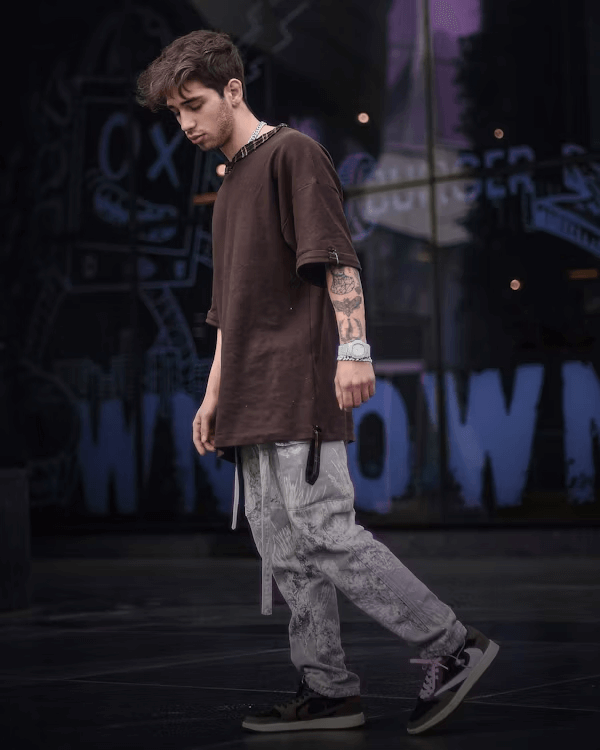
Fashion and music have always been interconnected, and hip-hop culture used both for self-expression and identity.
The real explosion of hip-hop's influence started in the 80s. Run D.M.C. and their iconic Adidas tracksuits, Kangol hats, and large gold chains, helped launch Adidas sneakers.
This was big because…
It was one of the first moments where musicians drove mainstream fashion trends.
Hip-hop's popularity in the 90s meant that their fashion would be widely embraced. Artists like Tupac and Biggie popularized baggy clothing and oversized fits, including baggy jeans, oversized flannels, and Timberland boots.
We also saw the first wave of streetwear brands emerging like Karl Kani, FUBU, and Sean John.
The power in this moment was all about…
Hip-hop gave streetwear credibility. When your favorite rapper wore something, it became a cool. This link between music and fashion would become streetwear's most powerful tool.
When Skateboarding Met Street Style
Hip-hop might have been happening on the east coast but skateboarding was building its own fashion empire on the west coast.
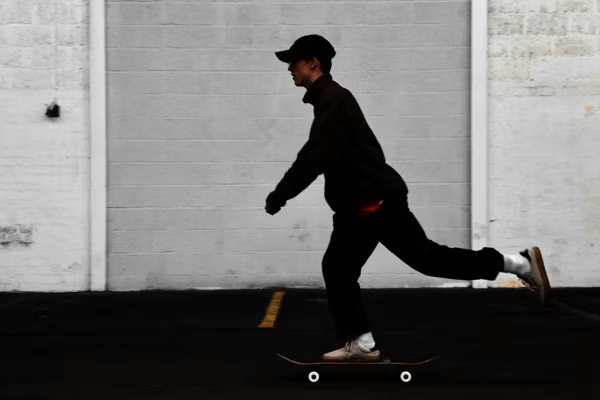
Street skating in particular took off in the 90s, creating new trends in fashion. Skateboarders favored oversized t-shirts and baggy jeans both for protection and ease of movement. Flatbill hats and beanies also became popular because they stayed on your head while riding fast.
Hip-hop's East Coast workwear brands such as Carhartt, Polo Sport, and Tommy Hilfiger also influenced skater fashion. Hip-hop and skate fashion aesthetics laid the foundation for modern streetwear.
Designers like those at Four Star, iPath, HUF and others were injecting new ideas into skate fashion. What a skater listened to influenced their style.
- Hip-hop heads were more likely to wear baggy cargo shorts, hoodies and other oversized clothing
- Punk and metalheads gravitated towards tighter jeans, skinny jeans and puffy skate shoes
Professional skaters were a new source of fashion influence. Dylan Reider was known for the slick outfits worn today, like tank tops, tucked-in shirts, and slim fit jeans.
The Supreme Blueprint That Changed Everything
I can't talk about modern streetwear without talking about Supreme.
If you want to understand modern streetwear, you have to understand Supreme.
James Jebbia founded Supreme in 1994 as a skate shop in Manhattan. But Supreme stood out from the beginning. It had a unique store design. Clothing racks lined the walls surrounding a large open space in the center where skaters could ride their boards inside.
But where they really innovated was their business model. Supreme created the now infamous “drop” model, where new, limited-edition products were released in small batches and at unpredictable times.
This created exclusivity and urgency that became a huge part of streetwear's appeal. You were buying clothing but also entering an exclusive club. The scarcity model was adopted by brands at every price point.
It was also just straight up brilliant.
Streetwear in the 2000s was on a roll. Riding high on the success of Tony Hawk's Pro Skater, x games, and Jackass.
How Luxury Fashion Finally Caught On
Luxury fashion couldn't care less about streetwear for decades. Then something shifted.
Luxury brands started to take notice as streetwear's popularity exploded. Designers began integrating streetwear elements into their collections.
And they couldn't ignore the hype.
The exact moment came with Louis Vuitton x Supreme in 2017.
The collaboration perfectly balanced the high-end and street style. Nike x Off-White by Virgil Abloh, also had a huge impact. Abloh's work was equal parts fashion design and artistic expression.
We also saw more major collaborations.
- Adidas x Kanye West (Yeezy)
- Nike x Travis Scott
- Balenciaga x streetwear influence
What was so powerful about these collaborations was the cultural validation it provided to streetwear. Louis Vuitton and Supreme working together was the message.
Streetwear is cool.
Let’s put it in perspective for you.
The global streetwear market was worth $325.28 billion in 2023 and is expected to reach $637.13 billion by 2032. We are talking about real money here.
Streetwear is just getting started.
Where Streetwear Is Heading Next
Streetwear's evolution has been extraordinary and it's only going to accelerate.
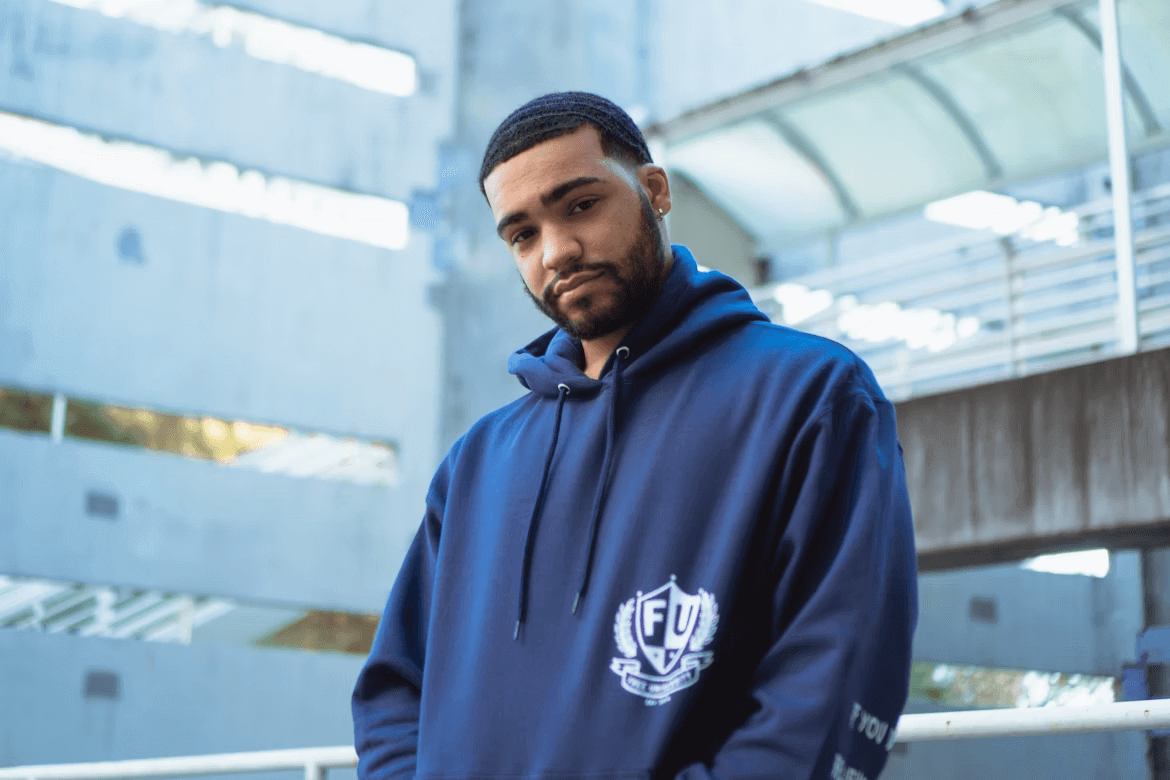
The 70% of streetwear sales are influenced by social media, and 60% by celebrity endorsement. Instagram and Tiktok are the main driver of streetwear trends.
Streetwear brands are increasingly adopting sustainable materials in their clothing and accessories. Unisex is the fastest-growing product segment in the streetwear industry.
Asia Pacific is the region with the largest market share in the global streetwear market, with a 36.17% share.
Wrapping It All Up
Streetwear started as utilitarian clothing for surfers and skaters. It somehow transformed into a cultural force worth hundreds of billions.
There are two factors that make this work.
Culture and business.
The culture of streetwear was always about rebellion. Expressing yourself against something. The DIY ethos of designing and manufacturing clothing yourself if nobody else was making what you wanted.
The business side of streetwear also innovated. Smart business models like Supreme's drops and sneaker box system created real scarcity and community. It worked. And it worked so well that even the most elitist luxury brands were copying it.
But the biggest trend in streetwear is yet to come. As new subcultures emerge, streetwear will continue to define what it means to be cool.
Streetwear did not just happen. Streetwear evolved. And it's still evolving.
The Rebels Won. Now They Run The Show.
Leave a Reply