
Major life changes, especially divorce, often affect more than your relationship status. They reshape your identity, your confidence, and often your personal style. For many, divorce marks the beginning of a personal transformation. A new haircut, a different wardrobe, or a bold shift in how you present yourself can feel like the first step toward starting over.
But just like the legal process, reinventing your image takes time. If you have ever wondered how long it takes to get divorced, you will notice that both legal and emotional timelines depend heavily on the choices you make. Style reinvention is no different. The pace of your transformation is shaped by your mindset, your priorities, and your willingness to move forward.
Here is how your decisions after divorce influence not only how quickly you finalize paperwork, but also how soon you start feeling like yourself again.
Emotional Recovery and External Change
People who make peace with their divorce more quickly often begin updating their style early in the healing process. They might start small, with a change in hair color or a new favorite outfit, before fully shifting their personal image. On the other hand, people who remain emotionally stuck often hold onto clothing and looks tied to their past identity, delaying their sense of renewal.
In a divorce, compromise helps speed up the process. In personal reinvention, openness to change plays a similar role. The faster you let go of what no longer fits your life, the faster you begin to feel confident again. A wardrobe refresh may not solve emotional pain, but it can reflect your progress and help you move forward.

Knowing What to Keep and What to Let Go
Reinventing your style after a major breakup does not mean replacing everything you own. It means evaluating what truly represents you and what was more about the expectations of your former partner or the life you shared. This is similar to sorting out what is essential versus what is negotiable during a divorce.
If you take time to reflect on your style preferences and what makes you feel most like yourself, you will avoid unnecessary shopping mistakes or identity confusion. People who approach reinvention with intention tend to build a style that lasts and evolves naturally. Those who rush into trends or dramatic changes often find themselves starting over again later.
Organization Speeds Up the Process
If you want to feel better quickly, start by organizing your closet. Just as a well-prepared financial file keeps a divorce on track, a tidy wardrobe helps you understand what you already have and what needs to change. Sorting your clothes helps you separate past versions of yourself from the person you are becoming.
Delaying this process adds unnecessary stress. When you know what fits, what flatters, and what feels empowering, you make better decisions about what to buy and what to let go. A few key updates can create momentum and boost your confidence without requiring a complete overhaul.
Emotional Weight and Style Choices
Reinvention becomes more complex when deeper emotional and logistical challenges are involved. If you are managing child custody, financial concerns, or moving homes, finding time to focus on your appearance may feel like a low priority. However, style can be a powerful tool for reclaiming control and expressing growth.
Dressing differently after divorce is not about impressing others. It is about honoring the version of yourself that survived something difficult. Like uncovering hidden assets during a high-conflict divorce, uncovering your true style sometimes takes effort and support. Be patient, and do not hesitate to seek guidance from a stylist, therapist, or friend who understands your goals.
Choosing Your Path: Personal Stylist or Self-Guided Transformation
Some people hire stylists to streamline their reinvention, while others prefer to explore on their own. Working with a professional can fast-track results, but it requires investment and trust. Taking the solo route gives you more freedom but may take longer to figure out what works.
You can also combine both. Get help with foundational pieces or fit issues, then use that framework to experiment on your own. This flexible approach mirrors how some couples settle parts of their divorce through mediation and handle more difficult topics in court. Choose the process that fits your needs and respects your emotional pace.
Conclusion
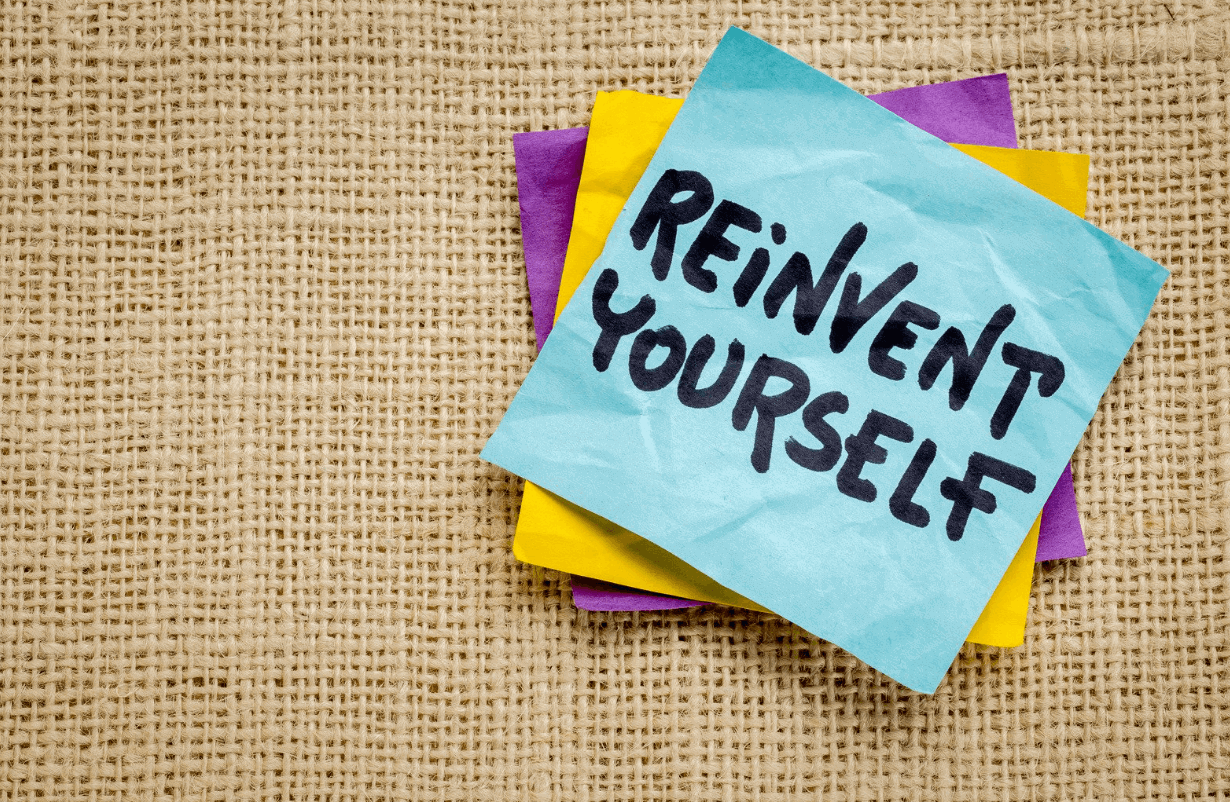
Just like a divorce, rebuilding your identity and image is a process shaped more by personal decisions than outside circumstances. You may not control your ex’s behavior or the legal timeline, but you do control how you present yourself to the world. Your choices about what to keep, what to change, and when to take action make all the difference.
You can reinvent yourself slowly or quickly, quietly or boldly. The key is to make choices that reflect where you are emotionally and where you want to go. Whether you feel ready for a dramatic change or just want to start fresh with a few new pieces, every step is part of your healing.
Leave a Reply