
For nearly a century, heritage luxury brands defined engagement rings culture. Today, independent jewelry designers are challenging this dominance with innovative signatures and personalized approaches. This shift reflects how couples now view luxury—less about prestige recognition, more about authentic self-expression.
This guide explores both worlds, helping you understand which signature philosophy aligns with your values and lifestyle.
What Defines a Signature Engagement Ring?
A signature ring is instantly recognizable, distinctive yet wearable, innovative yet elegant. The Tiffany Setting revolutionized diamond display through engineering. Jessica McCormack's “Button Back” challenges assumptions about how diamonds should sit. Signatures solve specific design problems or express clear philosophies about what engagement rings should be.
Signatures matter because they simplify decision-making. Instead of infinite customization options, you're choosing between established design philosophies. They also carry narrative weight—your ring tells a story about your values and aesthetic preferences.
Heritage Brand Signatures
Heritage brands approach design through gradual refinement. The Cartier Trinity (1924) has survived 100 years because the design is fundamentally sound. Heritage philosophy prioritizes timeless elegance, proven excellence, and universal recognition—you're joining a multi-generational club with prestige residue from royal and celebrity wearers.
Key Heritage Signatures:
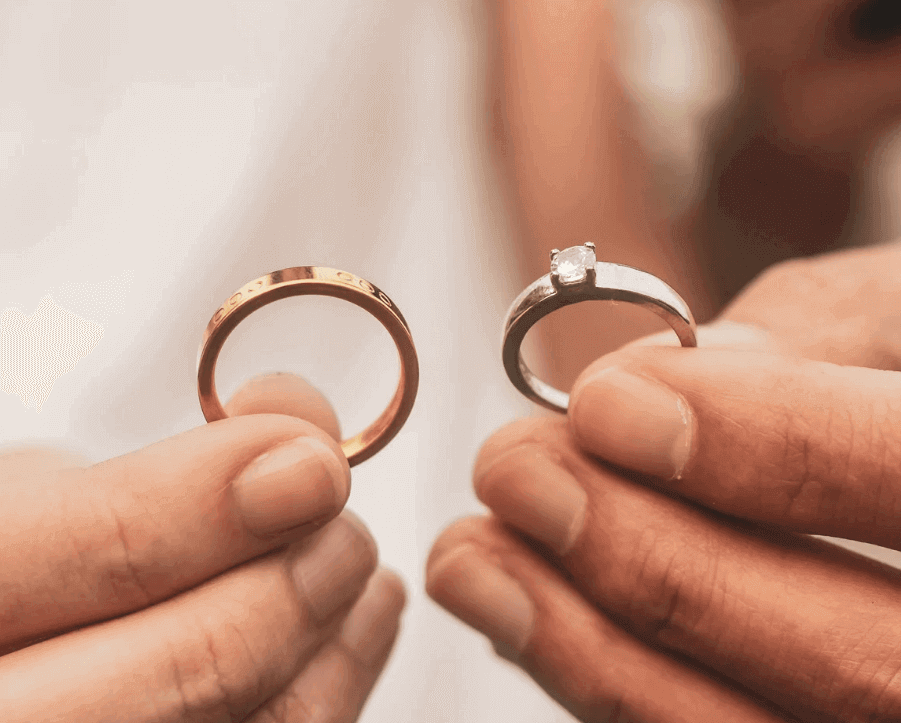
The Tiffany Setting (1886) elevated diamonds on six prongs specifically for maximum light entry. It's so universally recognized that competitors use the name. Cartier's Trinity intertwines three bands representing unity and eternal connection, offering more design flexibility than Tiffany while maintaining prestige. Harry Winston prioritizes exceptional stones and masterful craftsmanship over specific design formulas, commanding ultra-premium pricing.
Independent Designer Signatures
Independent designers question assumptions heritage brands accept. Rather than “How do we preserve what works?” they ask “What problem haven't heritage brands solved?”
Notable Signatures:
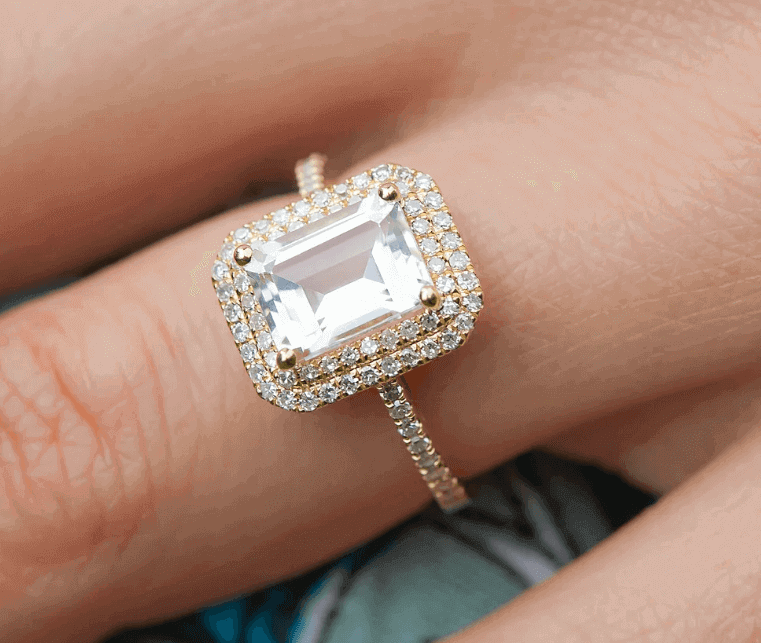
Jessica McCormack's Button Back rotates cushion-cut diamonds 90 degrees with distinctive rounded prongs—east-west orientation makes stones appear larger and creates a contemporary aesthetic. Grace Lee balances boldness and elegance through unconventional stone cuts and sculptural elements. Vanessa Fernandez combines ethical practices (recycled metals, direct collaboration) with design innovation. Jenna Blake references vintage aesthetics (Victorian, Art Deco) using modern production. Brooke Gregson treats colored gemstones as engagement ring centerpieces rather than supporting elements.
Direct Comparison – Fundamental Differences
Design Philosophy: Heritage brands preserve; independent designers innovate. Heritage brands refine what works; independent designers challenge conventions.
Customization: Heritage brands offer limited parameters—you choose diamond and metal, but the design is fixed. Independent designers typically offer comprehensive customization, collaborating on design choices and modifications.
Pricing: Comparable 1.5-carat solitaires might cost $15,000-$18,000 from established independent designers versus $22,000-$28,000 from heritage brands. The difference reflects prestige premium, not materials or labor. Emerging independent designers offer lower pricing for comparable craftsmanship.
Resale Value: Heritage signatures retain 50-60% of original price; independent signatures typically retain 30-40%. However, established independent designer signatures (like McCormack) are appreciating as these designers achieve canonical status.
Service Infrastructure: Heritage brands maintain global boutique networks; independent designers typically operate single locations. This matters for frequently traveling or internationally relocating clients.
Client Relationship: Heritage shopping is efficient and professional; independent designer work is collaborative and personal. You might see design sketches and participate in modification decisions.
Heritage Brands in Detail
Heritage signatures offer reliability through proven excellence. A Tiffany Setting purchased today is mechanically identical to one from 1930. You're buying into an institution that has optimized engagement ring excellence for decades. The blue box carries cultural meaning—it signals a particular kind of luxury.
The trade-off: You're paying a prestige premium (often 40-50% above comparable independent designer work). The design cannot be meaningfully customized. You're one of millions wearing essentially identical designs. Many people initially appreciate universal recognition, then later feel their ring lacks distinctiveness.
Heritage brands serve buyers who value prestige, want the security of choosing what countless others have chosen, anticipate needing global service, or view engagement rings as symbols of commitment rather than personal style expressions.
Independent Designers in Detail
Independent signatures offer innovation and personalization. Jessica McCormack didn't accept that diamonds must sit parallel to the finger—she designed differently. This creates collaborative relationships rather than transactional ones. You're not buying what a designer has predetermined; you're creating something specifically for you.
The trade-off: More customization requires more decision-making. Some people find this empowering; others find it overwhelming. Resale value is lower without brand prestige infrastructure. You need active post-purchase management—finding skilled jewelers for major repairs rather than visiting global boutiques.
Independent designers serve buyers who have clear aesthetic vision, want design flexibility or meaningful customization, prioritize distinctiveness, value transparency and direct relationships, or face budget constraints.
Ethical Considerations
Heritage brands have invested in ethical sourcing and conflict-free supply chains, publishing transparency reports. However, many resist complete supply chain disclosure.
Independent designers often emphasize ethical practices more explicitly—tracking materials meticulously and communicating directly with clients. Designers like Vanessa Fernandez specifically use recycled metals and ethically sourced gemstones as signature elements. However, independent designers vary tremendously; assuming all are more ethical than heritage brands is incorrect.
Lab-grown diamonds represent an interesting development. Independent designers increasingly offer lab-grown signatures positioning this as ethical and sustainable. Heritage brands largely maintain that natural diamonds represent authentic engagement ring material.
Customization & Personal Expression
Heritage brands constrain customization intentionally—they want consistency across millions of signature pieces. You choose the diamond and metal but not the fundamental design.
Independent designers offer comprehensive customization. The designer suggests modifications that improve the design rather than implementing every request indiscriminately. The best outcomes occur when customization is available but thoughtfully constrained—pure unlimited customization sometimes creates confused designs.
The Celebrity Factor
Celebrity adoption reinforces both heritage and independent signatures. Zendaya's Jessica McCormack east-west ring essentially launched that signature into prominence. However, celebrity choices should inform, not determine, your decision. Celebrities need rings that photograph well for red-carpet impact; your priorities might emphasize daily wearability and personal meaning.
Investment Perspective
Heritage signatures retain resale value better (50-60% vs. 30-40%), but this only matters if you actually resell. Most people keep engagement rings forever, making resale value advantage purely hypothetical.
Certain independent designer signatures may appreciate over time as designers achieve historical significance. This represents speculation rather than reliable investment strategy.
More importantly: Emotional satisfaction of owning something you genuinely love outweighs percentage-point resale value differences. If you buy heritage primarily for resale value while preferring independent design, financial gains won't compensate for emotional dissatisfaction.
Quality & Craftsmanship
Heritage brands ensure quality through standardized quality control—consistency is maximized, but handmade distinctiveness is sacrificed. Independent designers ensure quality through craftsman skill and attention. The spectrum is wider—best independent designers produce work equal to or exceeding heritage quality, but emerging designers vary.
Scrutinize independent designer credentials, request photos of completed work, and understand quality standards before committing. Both approaches, when executed excellently, produce equivalent results.
Geographic Considerations
Heritage brands' global infrastructure becomes significant for frequently traveling or internationally relocating clients. Independent designers vary—some have international presence, others operate single studios. Online capabilities have reduced geographic importance; both heritage and independent designers offer virtual consultations and remote commissioning.
Making Your Decision
Ask yourself honestly:
Heritage brands align better if: You value prestige and universal recognition. You've always admired a specific heritage signature. You want global service infrastructure. Resale value might matter. You view engagement rings primarily as commitment symbols rather than personal style expressions.
Independent designers align better if: You have clear aesthetic vision. You want your ring expressing personal style. Distinctiveness matters. You value ethical practices and transparency. You have budget constraints or want meaningful customization.
The hybrid approach: Some independent designers respect heritage traditions while creating contemporary work (Grace Lee, Jenna Blake reference historical periods). Some independent jewelers create heritage-inspired custom designs. Some couples commission independent designers to synthesize elements they admire from heritage signatures with independent design philosophy.
Real-World Ownership
Heritage signature ownership provides reliable, trouble-free experiences. Service is simple—visit any boutique. The prestige initial recognition you appreciate might eventually feel generic. Years into ownership, some people wish their ring felt more distinctive, realizing thousands of others wear identical designs.
Independent designer ownership is emotionally resonant—you own your design choices. The story of commissioning with the designer adds meaning. However, servicing requires finding skilled jewelers who understand the specific design. Resale value is lower.
The satisfaction difference is substantial: People deeply satisfied with their rings chose based on personal preference and lifestyle fit, not trend-chasing or external pressure.
The Bottom Line
There's no universally “best” answer. There's only the best answer for you—the one aligning with how you genuinely live, what you authentically love, and which brings you joy when you look at your hand.
Heritage signatures remain optimal for people valuing tradition, proven excellence, and prestige. Independent designer signatures suit those prioritizing innovation, distinctiveness, and personal expression. Either choice, made with intention and honesty, will serve you better than any amount of external advice.
Leave a Reply