
In today's fast-paced world, our skin often bears the brunt of stress, manifesting in issues such as inflammation, dryness, and premature aging. However, nature offers a powerful ally—adaptogens. These natural compounds can help mitigate stress-related skin problems, enhancing your skin's resilience and glow.
For those interested in facial bar soaps, understanding the integration of adaptogens into skincare routines is crucial for maintaining healthy skin.
This article explores the science behind adaptogens, their benefits, and how to incorporate them effectively into your skincare regimen.
Contents
What Are Adaptogens and Their Benefits?
Adaptogens are natural substances that help the body adapt to stress and exert a normalizing effect upon bodily processes. Historically used in traditional medicine, these compounds are derived from herbs and roots, such as ashwagandha and rhodiola. They work by balancing the body's stress response, which can have a significant impact on skin health.
How Adaptogens Benefit the Skin
- Regulate stress hormones to reduce inflammation: Adaptogens lower cortisol levels, a hormone responsible for stress-related inflammation.
- Enhance skin's barrier function and resilience: Ingredients like rhodiola strengthen the skin's natural defenses against environmental aggressors.
- Improve skin hydration and elasticity: Adaptogens support better water retention and skin firmness, contributing to a youthful appearance.
Research indicates that adaptogens can significantly decrease inflammation, making them a valuable addition to any skincare routine. Choose products with adaptogenic properties tailored to your specific skin concerns for optimal results.
Incorporating Adaptogens into Your Skincare Routine
Selecting the Right Adaptogens
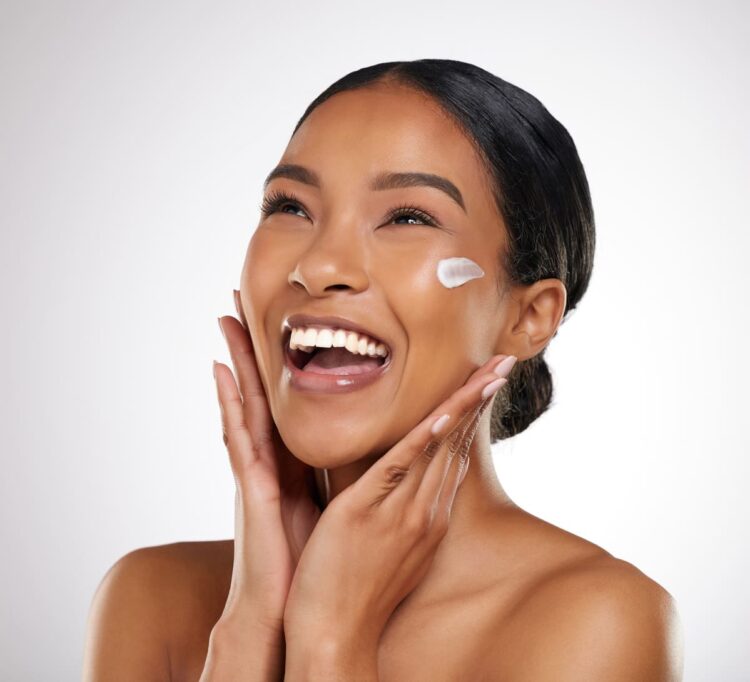
When choosing adaptogens for skincare, identify those like ashwagandha and rhodiola that align with your skin's needs. Ashwagandha is known for its ability to enhance skin elasticity and reduce visible signs of aging, while rhodiola improves moisture retention and resilience. Matching the right adaptogen to your skin concerns can maximize the benefits.
Daily Skincare Routine Tips
- Cleanse with gentle adaptogen-infused cleansers: Start your routine with a mild cleanser that contains adaptogen extracts to soothe and prep the skin.
- Use adaptogen creams or serums twice daily: Apply these products morning and night to help regulate stress-related skin issues consistently.
- Combine with other soothing ingredients for enhanced effects: Ingredients like aloe vera and chamomile can complement adaptogens, amplifying their calming and healing properties.
Research supports the integration of adaptogens in skincare routines for stress relief and improved skin function. By following these steps, you can effectively incorporate adaptogens into your daily regimen, enhancing your skin's overall health and appearance.
Real-Life Benefits and Expert Recommendations
Clinical Outcomes of Adaptogen Use
Scientific studies have validated the effectiveness of adaptogens in skincare. Users report a reduction in signs of aging, such as fine lines and wrinkles, along with improved skin texture and tone. These outcomes are attributed to the adaptogens' ability to modulate stress responses and enhance skin barrier function, leading to a more youthful and resilient complexion.
Expert Tips for Maximum Benefits
- Dermatologists recommend incorporating adaptogens gradually: Introduce these products slowly to monitor skin reactions and ensure compatibility.
- Combine adaptogen use with a balanced diet for optimal skin health: Nutrient-rich foods can support the adaptogens' effects on the skin.
- Monitor skin's response and adjust as needed: Pay attention to changes in your skin and tweak your routine to suit its evolving needs.
With expert advice and consumer-reported benefits, incorporating adaptogens into your skincare routine can lead to significant improvements, including reduced inflammation and increased elasticity. Embrace the power of adaptogens to achieve healthier, more resilient skin.
Leave a Reply