
When you run a lifestyle or fashion influencer brand, every task—from drafting a caption to planning a collab—carries emotional weight. Yet even the most ambitious creators sometimes stall. When we delay, we chase a momentary escape: “I’ll just rest today,” “I’ll schedule it later,” “I’m gathering ideas first.” But these small postponements add up—and they erode your momentum.
Procrastination for influencers isn’t poor discipline—it’s a tug between emotional survival and strategic execution. Understanding procrastination and the neuroscience behind it—why your brain seeks ease, why the limbic system often “wins,” and how your perfectionist mindset amplifies delay—gives you insight. Once you see the internal dynamics clearly, you can align your self‑brand, creativity, and priorities with better actions. You can shift from reactive avoidance to calm, purposeful progress in your influencer life.
In this post, let's address the hidden causes of procrastination and look into the practical steps to overcome this tendency.
What Does Neuroscience Say?
Some of the Liven app reviews admit that having a better knowledge of the biology behind procrastination helped them overcome their behaviors.
The Tug-of-War
Our procrastination is a conflict between our limbic system and the prefrontal cortex. The limbic system is the brain’s emotional center, which seeks comfort and avoids pain. In this situation, the prefrontal cortex plays the opposite role — it is responsible for planning and reasoning, essentially influencing our self-control. Here’s what is happening between the two:
- When the limbic system senses a negative emotion, such as discomfort or anxiety, about a task, it sends you a powerful signal that echoes “avoid”.
- In turn, the prefrontal cortex tries to keep you focused.
- The limbic system typically responds more quickly in terms of speed and automaticity than the prefrontal cortex. That’s why the emotional aspect of your inner struggle often prevails, resulting in temporary relief but ultimately leading to long-term stress.
Why We Choose Instant Gratification
Here’s an interesting thing, though: the amygdala, a part of your limbic system, processes emotions and responds to threats. When you face a task that feels terrifying, the amygdala triggers a mild stress response. You begin to view the task ahead as something to avoid or escape from. Basically, you try to hide your metaphorical head in the metaphorical sand.
We are wired to seek the easiest routes, and it’s not just you — all people do that, some more often than others. Our brain’s reward system favors easier goals and quicker rewards. That is why we frequently go for the easier choice. To finish a responsible task, you’ll need to spend hours or days to feel accomplished. But scrolling on your phone or doing something else makes you feel immediate relief.
What Emotions Are You Avoiding?
More often than not, we procrastinate to escape from uncomfortable feelings. It’s our stress management strategy. Let’s explore the most common emotions beneath our procrastination.
Fear, One of the First Emotions
Among many emotions that influence procrastination, fear is the most widespread. We are afraid of many things, from failing to being judged, and society often reinforces this. People who already have doubts about themselves or don’t feel safe may be particularly vulnerable. This hesitation makes starting a task feel like a threat to our self-worth.
Shame, When It Speaks From the Past
Sometimes mistaken for fear, shame is one of the oldest emotions in our bodies. We learn shame early on as kids. As we grow up, we often reflect on those moments when we felt inadequate. If the humiliation we experienced was linked to a significant effort, the effect can be even greater. For instance, if we were humiliated after something we worked hard on failed, we may unconsciously expect a similar level of overwhelm anytime we face a complex task.
Anger — When We Lose Control
It may seem counterintuitive to think that sometimes, procrastination is about gaining control. When life is unpredictable, we feel angry. Irritated. And what do we do? Try to become independent again. Sometimes we attempt to take control of our lives and release this anger by delaying tasks. When we do so, we reclaim a part of our agency by deciding when and how we will engage with our tasks. This will have other consequences, however, as the more we miss out on, the higher our frustration gets.
How the Society Tricked Us Into Perfectionism
Every culture in the world supports productivity. Regardless of where we live, we are, for the first time in human history, moving forward with insane speed. Everything has to be done faster and, strangely, better. Every aspect of our existence is a victim of improvement culture. Career? Everyone seems to never sleep and reach their objectives by 100%. Relationships? Rich, filled with experiences. Health? Hollywood-level improvement.
When everything appears to be a real-life Instagram reel, we feel this pressure even if we don’t know it yet. Many people become perfectionists due to a combination of personality traits and external influences. That is why we procrastinate. We plan, revise, and seek ways to improve each task without actually executing it. Until we label it as finished, there’s a chance to bring it to perfection. However, we forget that actual growth starts with action, not perfect nothing.
Sometimes, It’s Emotional Burnout
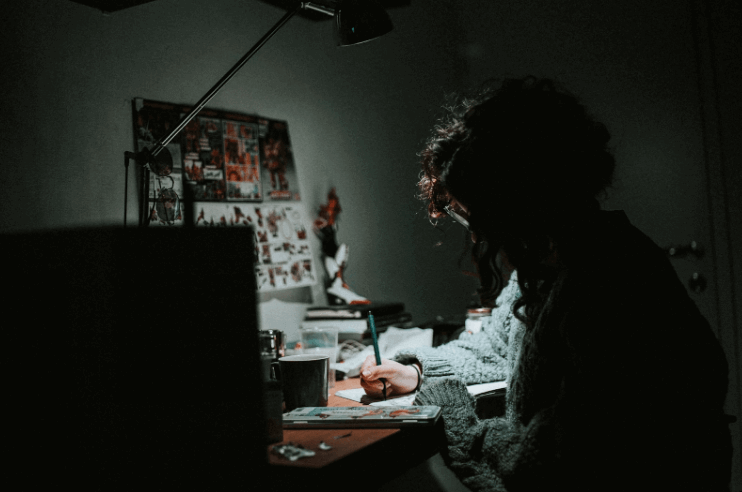
Just as the title says, you may be exhausted. Without energy, we cannot force ourselves to do something else. Emotional burnout can disguise itself as laziness or lack of motivation, when in truth, the mind and body are screaming, “I’m done.” Your brain seeks refuge in simple tasks like scrolling or watching short videos.
It’s essential to acknowledge this form of procrastination, as it requires compassion. In this case especially, you cannot recover by forcing yourself into productivity. We need to learn to listen to ourselves and dedicate a lot of time to recovery. Only then, after we rest and refill our energy resources, can we find motivation again.
Conclusion
Procrastination in your influencer lifestyle is rarely about laziness—it’s about managing fear, perfectionism, emotional fatigue, and burnout. Whether your content calendar is looming or a creative project feels too heavy, recognizing why you stall is the first step toward change.
As an influencer, your most powerful asset is consistency—not perfect output. Start small, with compassionate curiosity for your emotions. Then test productivity experiments—micro‑tasks, timeboxing, rest intervals—that match your creative rhythm. Over time, you’ll reprogram your habits, tame avoidance, and build sustainable momentum.
Your brand, your audience, and your creative impact deserve your presence. When you reclaim agency over procrastination, you show up for your message—and you empower your influence.
Leave a Reply