
Styling our hair feels like second nature. From sleek blowouts and glossy straightening to bouncy curls and protective braids, the ways we shape our strands are endless. But the constant heat, tension, and product buildup can quietly harm hair in ways we often don’t notice until it’s too late. Hair doesn’t heal itself the same way skin does, which means every bit of damage adds up. Let’s talk about what’s really happening when we keep styling without giving our hair the break and care it deserves.
The Illusion of “Healthy Looking” Hair
Many people assume shiny hair means healthy hair. In reality, hair can look glossy on the surface but be weak inside. Heat styling tools temporarily seal down the cuticle, creating that polished effect. But beneath the shine, protein bonds in the hair shaft may already be breaking down. Over time, that hidden damage leads to frizz, breakage, and thinner ends, even if the hair looked great at first.
Heat Styling and Its Hidden Impact
Repeated Use Weakens the Core
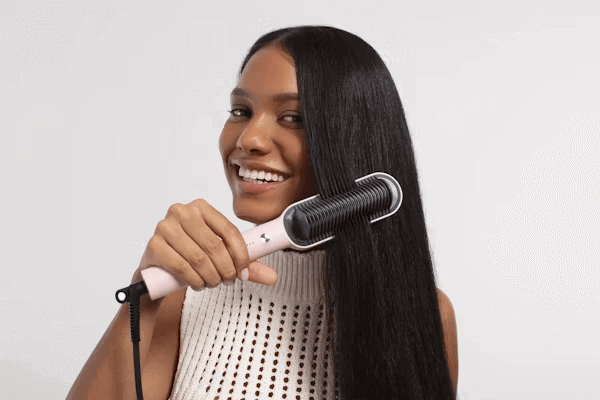
Flat irons, curling wands, and blow dryers work by reshaping hair proteins through high temperatures. This process is effective for creating a style, but repeated exposure makes the inner structure brittle. Once the keratin is compromised, hair becomes less flexible and more prone to snapping under even light tension.
Moisture Loss
Heat strips water from inside the strand. When this happens too often, hair loses its natural elasticity and feels dry or straw-like. The loss of internal moisture also makes it harder for the hair to bounce back after being pulled or twisted into styles.
The Role of Chemical Styling
Coloring, Relaxers, and Perms
Chemical processes break down natural bonds in the hair so new color or texture can take hold. While the results can be dramatic and fun, the long-term side effect is permanent weakening. Even with conditioning treatments, chemically processed hair rarely regains the same strength as virgin hair.
Hidden Build-Up
Many products designed for chemical aftercare contain silicones and heavy oils. While these can mask dryness by coating the strand, the buildup prevents nourishing ingredients from penetrating deeply. Over time, hair might feel smooth but continues to weaken underneath.
Tight Styles and Tension Damage
Traction Alopecia Risks
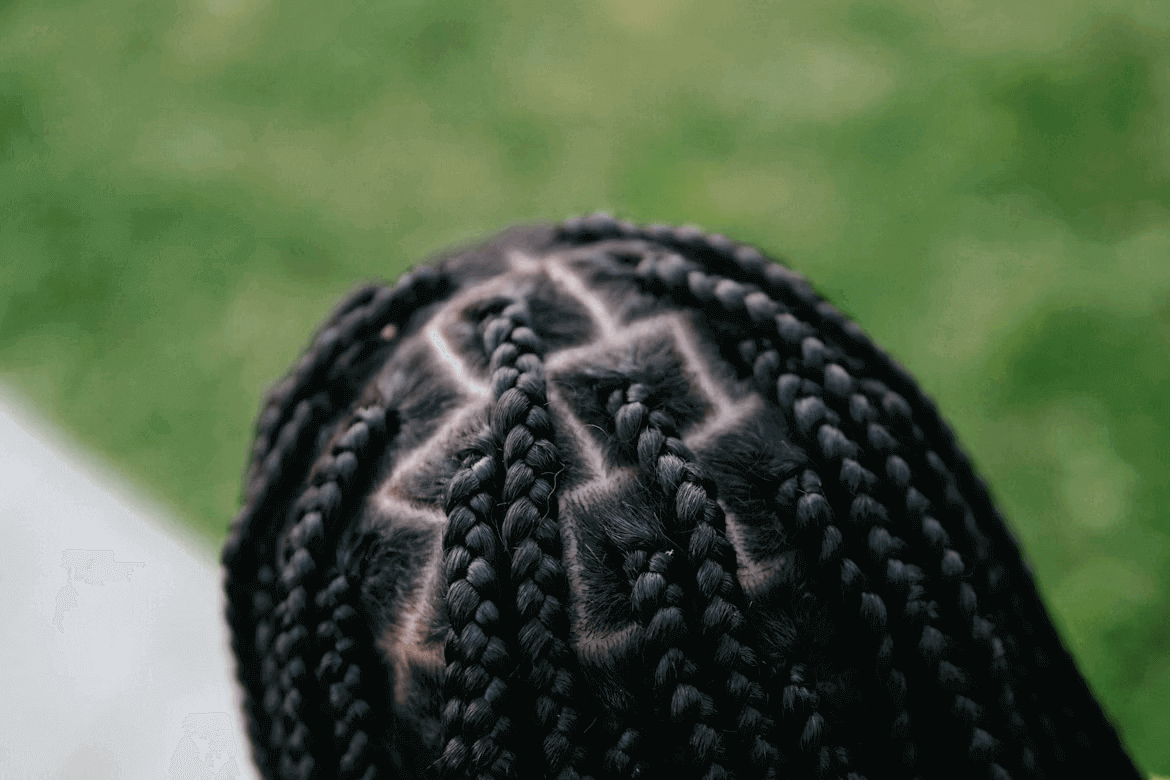
Constant pulling from ponytails, buns, braids, or extensions can cause a type of hair loss called traction alopecia. The stress placed on the follicles damages them, and if ignored for too long, the hair may stop growing in those areas altogether.
Breakage at Stress Points
Even if follicles remain intact, the hair shaft often breaks where tension is highest—usually near the hairline or crown. These areas then develop shorter, uneven strands that are hard to grow out.
Product Overload and Scalp Health
Clogged Follicles
Layering gels, sprays, oils, and serums day after day without proper cleansing can suffocate the scalp. Clogged follicles are less able to support strong, healthy growth. This doesn’t just affect appearance—it can also lead to itching, flaking, or even painful scalp conditions.
Why Clarifying Matters
Regular shampooing isn’t always enough to remove stubborn buildup from styling products. That’s where a clarifying shampoo can make a big difference. A good clarifying wash deeply cleans without stripping natural oils. Brands like Organi Brands offer vegan, all-natural, and safe options, including a clarifying shampoo that’s even gentle enough for babies and kids. Using a formula like this once a week gives hair a clean slate and helps products work better.
Heat and Environment Work Together
Sun and Heat Tools Combined
Spending time in the sun after heat styling adds another layer of stress. UV rays weaken cuticles and fade color. When hair is already fragile from flat irons or curling wands, exposure to sunlight magnifies the harm, leaving strands more likely to split or fray.
Pollution and Daily Grime
Pollution particles can settle on hair and scalp, making it feel dirty quicker. Combined with styling products, this creates a cocktail of residue that weighs hair down and prevents oxygen flow at the scalp level.

The Slow Fade of Hair Density
Thinning Isn’t Always Genetic
Many assume thinning hair is only from genetics. In truth, daily styling habits often accelerate thinning by damaging follicles or causing strands to break mid-length. Over years, this gives the illusion of less density, even if the follicles are still active.
For those noticing early signs of hair loss, exploring options such as a dutasteride online prescription can be part of a broader approach to maintaining scalp and follicle health.
Uneven Growth Cycles
Damage alters how hair grows back. Instead of strands growing long and strong, they may only reach a fraction of their usual length before breaking off. This creates thinner ends and an overall lack of volume.
Repair and Prevention Strategies
Use Heat Wisely
Lower heat settings and heat-protectant sprays reduce the strain on hair proteins. Giving hair regular breaks from hot tools helps prevent cumulative damage.
Protective Styling Done Right
Protective styles like braids or twists can be helpful but should never be too tight. Rotating between different styles and giving the scalp rest days ensures follicles aren’t constantly under stress.
Nourishment From the Inside Out
A balanced diet with enough protein, iron, and vitamins directly supports hair strength. Drinking water consistently also helps keep strands hydrated from within, making them less likely to dry out from external styling.
Gentle Cleansing and Conditioning
Choosing natural, sulfate-free shampoos and conditioners prevents unnecessary stripping. Pairing clarifying washes with moisturizing treatments balances scalp health and strand care.
Learning to Read Hair’s Warning Signs
Subtle Changes
Hair often signals damage before it breaks completely. Signs include dullness, tangling more than usual, or hair taking longer to style. These are early warnings that it needs rest and care.
Breakage vs. Shedding
Not all hair fall is the same. Shedding with a white bulb at the end is part of the natural growth cycle. Breakage, which appears as short strands with no bulb, points to styling damage. Recognizing the difference helps decide if it’s time to change habits.
Giving Hair Breathing Room
Rest Days Matter
Just like the body needs rest from workouts, hair needs breaks from styling. Letting it air dry, skipping heavy products, or leaving it loose for a few days allows recovery time.
Scalp Massages
Massaging the scalp increases circulation, bringing nutrients to the follicles. It also relieves tension from tight hairstyles, reducing the risk of traction damage.
Conclusion
Styling is part of self-expression, and no one wants to give it up completely. But constant styling without care takes a quiet toll. Heat, chemicals, tension, and buildup all work together to weaken strands and scalp health.
By learning the hidden ways damage happens and taking steps to prevent it, we can enjoy the styles we love without sacrificing long-term hair strength. Simple choices—like using clarifying washes, moderating heat, and giving hair rest days—make all the difference in keeping hair strong, shiny, and truly healthy beneath the surface.
Leave a Reply