
Some fashion shows lack vision. The venue is dramatic, the lighting is careful, and the clothing is gorgeous, but it all falls short. The crowd applauds, but nobody gets chills. There's beauty but no buzz. Why? Because fashion often forgets what live performances never do: energy moves people more than elegance alone.
While fashion shows rely heavily on aesthetics, live performances deliver a full-body jolt—music, movement, and moments that linger long after the curtain drops. Maybe it’s time fashion stopped obsessing over perfection and started thinking more like a brass band marching through a city street. It’s messy and loud, but it is very much alive.
The catwalk has much to gain from the insights of the parade route.. Let’s break it down.
Fashion Needs a Little More Funk: Energy Lessons from the Street
Great fashion shows aim to impress, while great performances aim to involve. That’s a critical difference. As much as parade music performers bring energy and unforgettable moments to audiences through rhythm and motion, fashion designers can learn to choreograph their runway performances with the same dynamism to turn passive viewing into active, multi-sensory experiences.
Consider the dynamism of a street parade in New York City. The kind that pulls in everyone from toddlers to tourists. There's a beat that commands attention, performers whose joy is contagious, and a rawness that no fashion week Instagram reel can compete with. This is what fashion is missing: the beat, the bounce, the breath of real-time reaction.
If fashion shows took a page from the playbook of marching bands or spontaneous street performances, they’d become more than a show; a spectacle. And in a world fighting for attention, that matters.
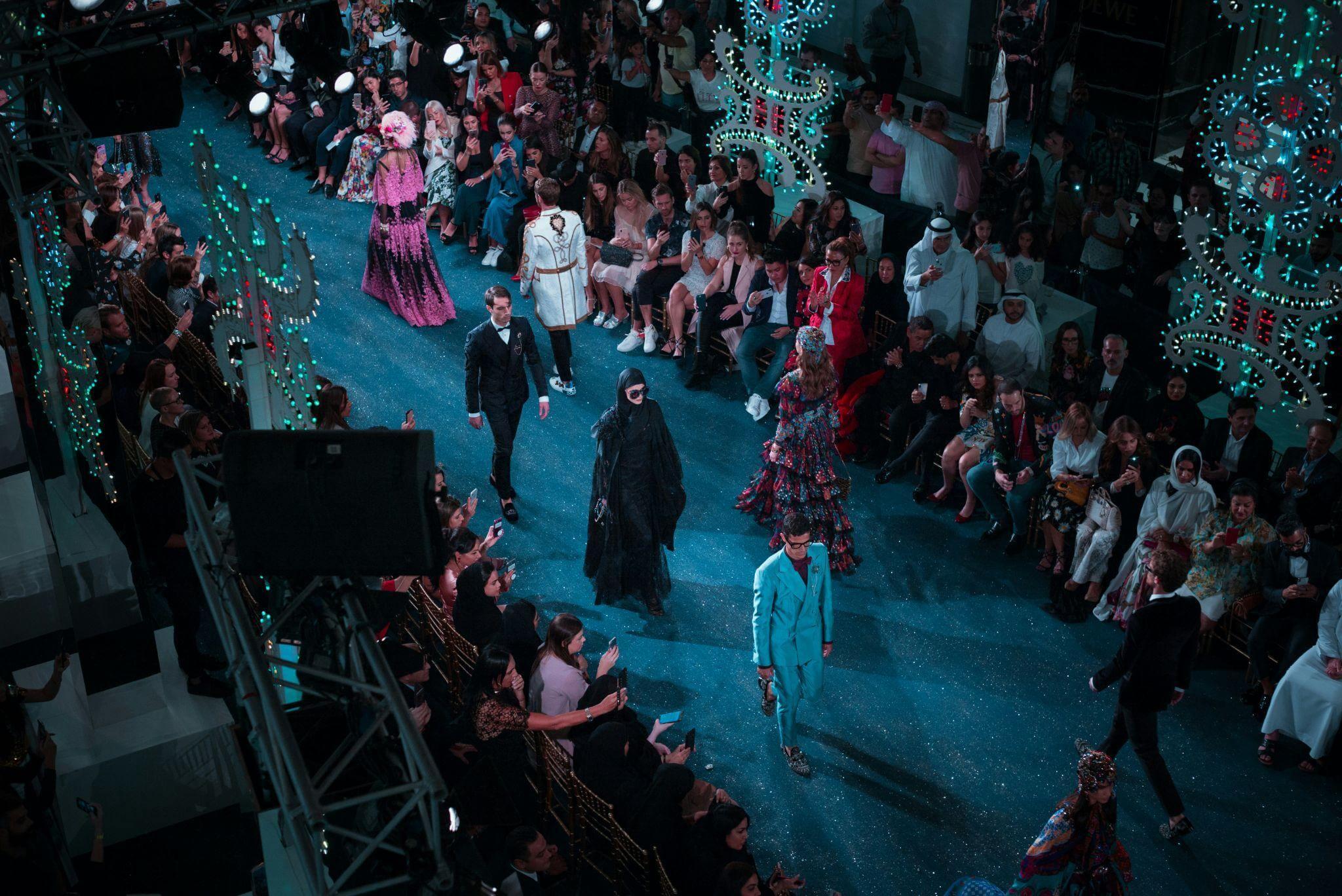
Photo by Michael Lee from Unsplash
Choreography Beyond Catwalks: Designing for Interaction
One of the most underrated skills in a live performer’s toolkit is timing. Every step, spin, and pause is calculated to connect with the audience. It’s not just movement but the intention.
Beyoncé’s Coachella performance was iconic not because of her fabulous outfit alone but because every piece of that show was choreographed for collective electricity. Fashion shows could take note.
Designers like Savage X Fenty have started to blur the lines. Their runway feels more like a music video set to explode. There’s dance, story, and humanity.
Fashion doesn't need to stage Broadway musicals. But it can infuse presentations with purposeful motion, such as movements that showcase the fluidity of fabric, the attitude of a look, and the rhythm of a collection. Models are more than walking hangers.
Audience Participation: Not Just for the Theater Kids
Live shows thrive on response. Standing ovations. The crowd chants. That spontaneous gasp when something unbelievable happens on stage. Interaction is the soul of performance.
Fashion could use some of that soul. Instead of rows of silent onlookers, what if audiences were part of the experience? Pop-up runways in city centers, interactive digital runways where fans vote for what comes next, and social-driven presentations where behind-the-scenes decisions are streamed and discussed live.
Today’s audience wants to feel like they’re part of the moment. Performers know this instinctively. Fashion is just catching up.
The brands that turn viewers into participants will be the ones that stick in people’s minds—and feeds.
Storytelling in Motion: Why Movement Matters
A live performer’s wardrobe isn’t just decorative. It’s expressive. When a dancer whips a skirt mid-spin, or a drum central struts with a cape flying, it becomes a spectacle and a story.
Fashion shows often freeze style in time. Perfectly poised models strut down a runway with a practiced stare. It’s striking, but it’s also static.
Clothes are made to move. They should ripple, twist, stretch, and swing. That movement doesn’t just highlight craftsmanship, but it also communicates character.
Consider drag performers, whose wardrobe choices often carry meaning and defiance with every dramatic reveal. Or the ceremonial uniforms of parade performers, each detail designed to enhance the performance rhythm.
Fashion needs to get back in touch with motion, not as an afterthought, but as part of the design process. How does this jacket swing? What is the movement of the gown when the person wearing it dances? Fashion is not just about appearance. It's about what gives a sense of vitality.
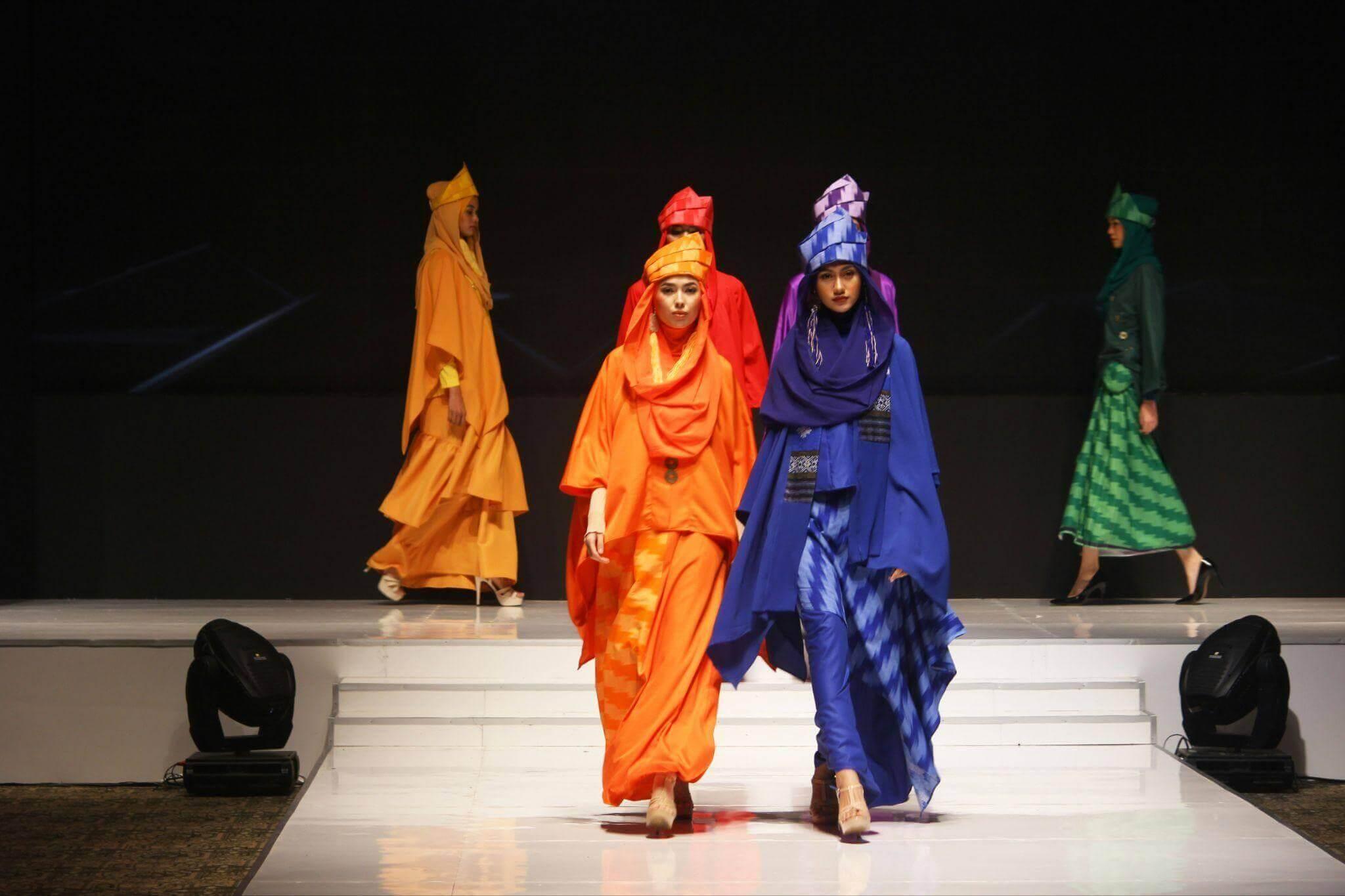
Photo by Raden Prasetya from Unsplash
The Power of Collective Energy: Community and Fashion’s Missed Opportunity
One of the most potent aspects of live performance is the sense of togetherness it builds. A band plays. A crowd dances. Strangers lock eyes and smile. Suddenly, you’re part of something.
Fashion, for all its creativity, often feels exclusive. Velvet ropes. Guest lists. “Who are you wearing?” vibes.
However, community is also culture, which, in turn, defines what people wear, love, and share.
Take the vibe of a block party or street parade. There's music. There's self-expression. Anyone can join. The invitation is open to all. Everyone can take part, rather than just observing. It’s not handpicked. It's an experience lived by all.
Fashion has the power to do the same. Instead of gatekeeping, it could gate-open: community-based fashion shows, street-style celebrations, and design competitions where the audience helps choose the winner.
Let people in. Let fashion be about the many, not just the few. That's where its real power lives.
Conclusion: Time to Hit a New Note
Fashion doesn’t need to abandon its artistry. But it does need to remember what makes a performance unforgettable. It’s not just the costume, but it’s the feeling.
Live performers have always known how to stir emotion, command a crowd, and turn movement into magic. At its best, fashion can do that too, but only if it dares to step off the pedestal and into the parade.
The runway isn’t the only place fashion belongs. Sometimes, it needs to be danced, drummed, and stomped down the middle of the street.
Let the music lead, let the crowd in, and let fashion finally start moving people instead of just dressing them.
Leave a Reply