
Over the past decade, fashion has been at the center of discussions around sustainability, ethical production, and changing consumer values. Shoppers today are not only buying clothes; they are making statements with their purchases. This shift is part of a larger movement where retail insights and trends reveal how consumer expectations are reshaping the industry. From transparency in supply chains to eco-friendly fabrics, the fashion world is under increasing pressure to evolve.
For bloggers, creators, and entrepreneurs who live and breathe fashion, understanding these dynamics is essential. Knowing what consumers care about—and why—can make your content more relevant and your brand more authentic. Let’s explore the major themes driving sustainability and ethical fashion today, and how you can use these trends in your work.
Why Sustainability Matters More Than Ever
Sustainability is no longer a niche interest; it’s a mainstream demand. Consumers are aware of fashion’s environmental footprint, from water waste in cotton production to carbon emissions from fast shipping. Reports consistently show that younger generations, especially Gen Z and Millennials, want brands to do better.
But here’s the nuance: while shoppers say they want sustainable options, price and convenience still influence their decisions. That tension—between values and habits—is exactly what makes this space so fascinating. Retailers who manage to balance affordability with eco-friendly practices are capturing attention, and that’s something bloggers can highlight. Whether you’re reviewing a new collection or sharing styling tips, framing it in terms of sustainable choices resonates with today’s readers.
Ethical Fashion Beyond Greenwashing
Another key theme in retail insights and trends is the consumer demand for ethical practices. Sustainability isn’t only about the planet—it’s also about people. Ethical fashion means fair wages, safe working conditions, and respect for artisans and workers throughout the supply chain.
The challenge is that “green” claims can be vague, and some brands use them as marketing buzzwords. Consumers are becoming more skeptical and expect real proof, not just catchy slogans. Certifications, transparent sourcing stories, and partnerships with local communities are some of the ways fashion brands are building trust.
For content creators, this is an opportunity to dig deeper. Instead of simply posting about a “sustainable” line, you can ask:
- Where was it made?
- Who made it?
- What practices were used?
Audiences value creators who ask the right questions and share insights that cut through marketing noise.
Consumer Shifts Driving Retail Trends
Looking at broader retail data, one thing is clear: consumer behavior is constantly evolving. Insights from sources like GWI’s retail research highlight how expectations are transforming both online and offline shopping experiences.
Some major shifts include:
- Conscious Consumerism: Buyers actively compare brands and seek transparency before making purchases.
- Secondhand & Resale Growth: Platforms like Depop, Poshmark, and Vestiaire Collective are booming because they align with sustainability and affordability.
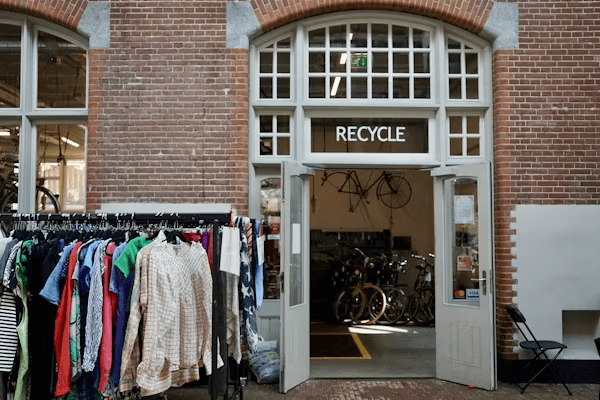
- Circular Fashion Models: Rental, repair, and recycling programs are becoming mainstream. Consumers like the idea of extending a garment’s life cycle.
- Local vs. Global Balance: While global supply chains dominate, there’s a renewed appreciation for locally made and small-batch production.
These shifts show how fashion is no longer just about style—it’s about aligning with values.
The Role of Technology in Sustainable Retail
Technology is playing a huge role in bridging the gap between consumer demand and brand action. From blockchain for supply chain transparency to AI-driven inventory management that reduces waste, innovations are helping retailers meet sustainability goals.
For example, QR codes on tags allow shoppers to trace where an item was made and what materials were used. Online tools also help customers calculate the carbon footprint of their purchase. These features not only educate buyers but also empower them to make informed decisions.
As a fashion blogger or influencer, showcasing these tools in your content adds real value. It positions you as someone who understands the deeper story behind the clothes, not just the aesthetics.
Storytelling: A Blogger’s Advantage
Fashion has always thrived on storytelling, and sustainability gives creators a rich narrative to explore. When you highlight a brand’s journey—whether it’s a small label using recycled fabrics or a big retailer rolling out ethical supply chain initiatives—you’re creating content that connects on an emotional level.
Audiences today want more than outfit inspiration; they want meaning. By weaving retail insights and trends into your posts, you can explain why a particular brand or product matters. This not only makes your content more engaging but also builds trust with your readers.
Challenges Ahead
Of course, the path toward sustainable and ethical fashion isn’t without obstacles. Some of the biggest challenges include:
- Higher Costs: Sustainable fabrics and ethical labor often mean higher price points.
- Scalability: Small, eco-friendly brands may struggle to compete with fast-fashion giants.
- Consumer Education: Not everyone fully understands what “sustainable” means, which makes awareness campaigns essential.
Acknowledging these challenges in your writing makes your content feel more balanced and authentic. It shows readers you’re not simply promoting a trend, but honestly examining the complexities of the fashion world.
How You Can Incorporate These Trends
If you’re wondering how to bring sustainability and ethical fashion into your blog or content, here are some practical ideas:
- Write reviews of brands that prioritize eco-friendly practices.
- Share guides on secondhand shopping, thrift flips, or rental services.
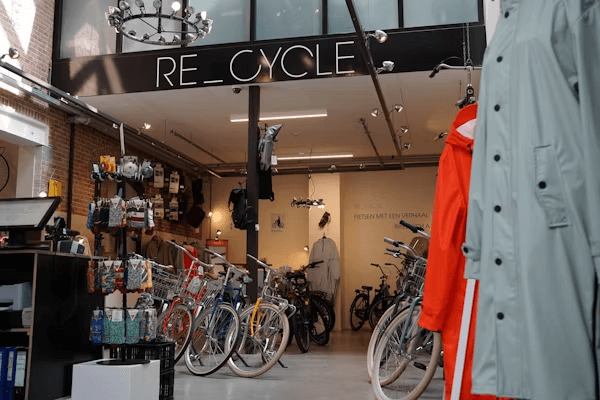
- Highlight fashion events or pop-ups focused on sustainability.
- Create styling content around “capsule wardrobes” that emphasize longevity.
- Interview designers or small businesses working in this space.
These approaches give your audience inspiration while aligning your platform with values that matter to them.
Final Thoughts
Sustainability and ethical fashion are not passing fads—they are shaping the future of retail. As more shoppers demand accountability, brands are under pressure to transform. By paying attention to retail insights and trends, bloggers and creators can stay ahead of the curve, offering readers valuable perspectives that go beyond the surface.
Fashion has always been about self-expression, but now it’s also about responsibility. Whether you’re documenting the rise of resale, unpacking the ethics of supply chains, or celebrating eco-friendly design, your content has the power to spark meaningful conversations. And that’s where fashion blogging becomes more than a hobby—it becomes part of a global movement for change.
Leave a Reply